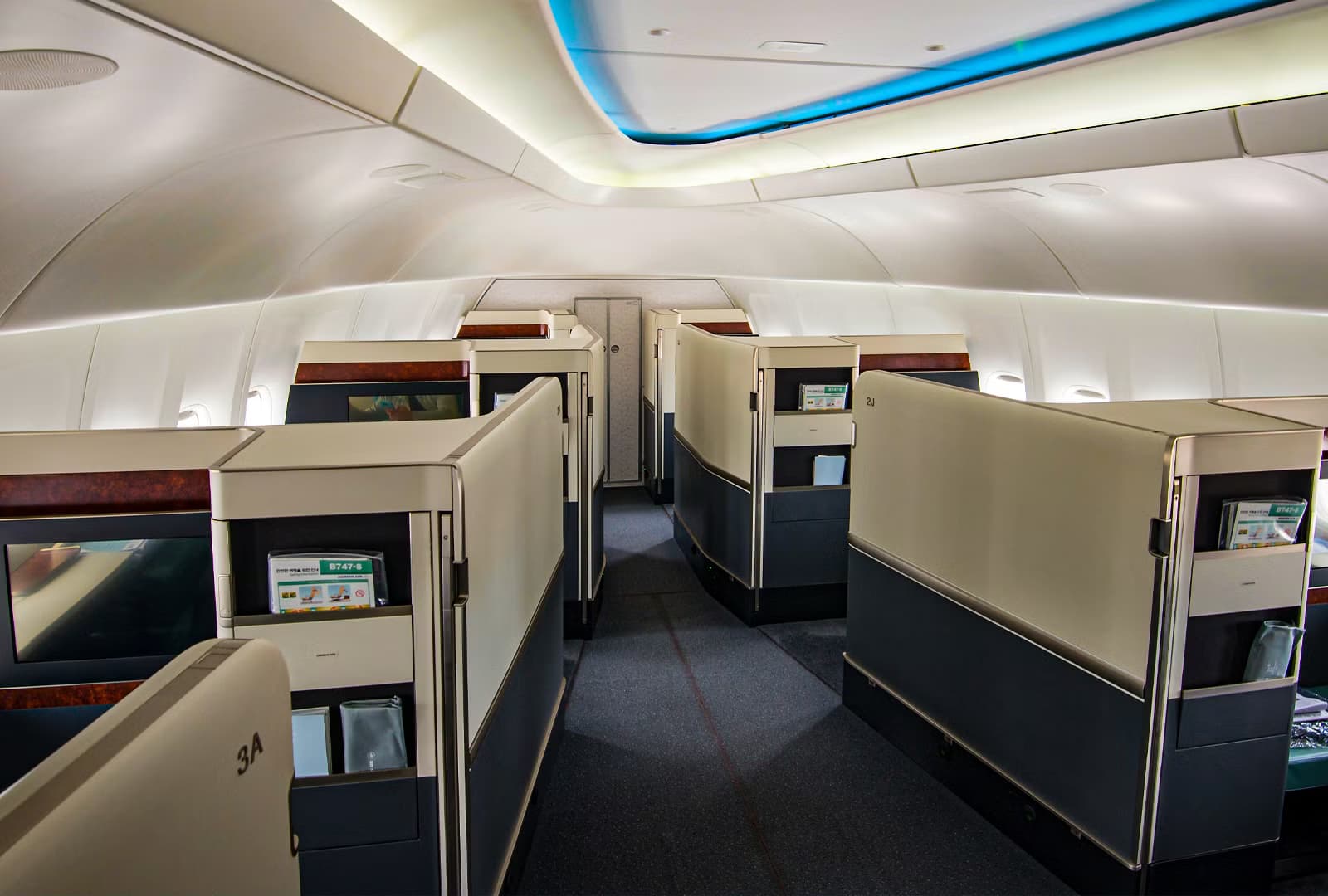
For many travelers in the United States, flying in business class feels like a luxury far out of reach. Yet with changing airline pricing models, loyalty programs, and occasional last-minute availability, there are more ways than ever to find cheap business flights without compromising safety or clarity. This guide provides practical, easy-to-understand information to help you compare options, understand cost factors, and explore legitimate strategies for finding business class tickets at better-than-expected prices—without making promises or encouraging risky behavior.
1. Why Travelers Look for Cheaper Business Class Options
Comfort matters, especially on long-haul flights. Business class offers additional legroom, better dining, lie-flat seats on many routes, and a more comfortable travel experience overall. Many U.S. travelers search terms like how to get cheap business class tickets because they want clarity on:
How business class pricing works
Whether unsold business class seats ever become available
What makes international business class more expensive
When business class last minute deals appear
This article addresses these points with simple, factual guidance.
2. Understanding How Business Class Pricing Works
Airline pricing is dynamic. Fares change based on demand, timing, competition, and inventory. Here are key factors that determine the price of business class seats:
a. Seasonal demand
Summer holidays, winter breaks, and major events impact pricing on routes inside and outside the U.S.
b. Business travel cycles
Some periods see more corporate travel, affecting availability.
c. Aircraft type and layout
Planes with newer or upgraded business cabins tend to cost more.
d. Booking timing
While some travelers search for business class last minute deals, others check prices months ahead for more predictable availability.
e. Loyalty and airline partnerships
Frequent flyer programs, credit card points, and alliances influence upgrade paths.
Understanding these elements helps travelers make informed decisions—not guarantees, just clearer expectations.
3. Estimating Typical Business Class Costs
Business class fares vary widely. Below is a general cost range for major long-haul routes from the United States. These values reflect publicly available averages and may fluctuate.
Estimated Round-Trip Business Class Prices (Typical Market Ranges)
Route Type | Average Business Class Range (USD) | Notes |
|---|---|---|
U.S. → Europe | $2,000 – $4,500 | Seasonal demand raises prices significantly |
U.S. → Asia | $3,000 – $6,500 | Longer distances increase costs |
U.S. → South America | $1,800 – $3,500 | Prices vary by city pairs |
U.S. → Middle East | $3,500 – $7,000 | Often includes newer long-haul aircraft |
Domestic U.S. Business | $450 – $1,200 | Depends on route and aircraft |
These numbers are not fixed promises; they serve to help travelers compare the market and evaluate optional strategies for finding business class tickets for less.
4. What Are Unsold Business Class Seats — and How They Work
Many travelers hope airlines release cheap upgrades or discounted seats close to departure. While it does happen in some situations, it is not a consistent or guaranteed method. Airlines may:
Release seats for mileage upgrades
Offer discretionary upgrades to loyalty members
Adjust prices as departure approaches
Keep seats unfilled depending on operational needs
Searching for unsold business class seats can help travelers stay aware of last-minute changes, but results vary widely.
5. Practical Ways Travelers Find Cheaper Business Class Tickets
These methods focus on transparency, not hacks or loopholes. They follow airline rules and standard travel-planning practices.
a. Be flexible with travel dates
Shifting departure by even 1–2 days can sometimes lower prices.
b. Check nearby airports
Major hubs like JFK, ORD, LAX, and IAD often see more competitive pricing.
c. Compare multiple airlines
Travelers often look for cheap business flights through comparison tools.
d. Sign up for fare alerts
Many tools notify travelers when prices drop on certain routes.
e. Use airline miles or transferable credit card points
Programs like AAdvantage, Delta SkyMiles, MileagePlus, and transferable currencies (Chase, Amex, Capital One) sometimes make business class more accessible.
f. Look at mixed-cabin itineraries
Some routes offer premium economy one way and business class the other at a lower combined price.
g. Explore early-season or late-season travel
Shoulder seasons often see more availability and lower fares.
6. Are Business Class Last-Minute Deals Real?
Yes, they exist—but not consistently. Airlines adjust pricing based on demand. Travelers searching for business class last minute deals typically find:
Occasionally lower prices within 7–14 days of departure
Occasional day-of-travel upgrade offers at check-in
Variation across airlines and routes
This strategy can help some travelers, but it should not be relied on as a guaranteed way to get business class tickets for less.
7. Discounted International Business Class Tickets: What to Expect
International routes are where many people search for discounted international business class tickets. These opportunities can appear when:
Airlines compete on major routes
New aircraft are introduced
Seasonal travel demand fluctuates
Fares are promoted during sales periods
While these sales are real, they may be limited in duration and availability.
8. Understanding Upgrade Options
Upgrades can be a legitimate and predictable path to a more comfortable seat. Travelers often use:
a. Miles + Cash Upgrades
Some airlines offer “pay with miles plus a small fee.”
b. Operational upgrades
Not guaranteed—these are assigned at the airline’s discretion.
c. Loyalty status upgrades
Higher-tier members are usually prioritized.
d. Paid upgrades after booking
Sometimes appears in airline apps or emails before the flight.
These options help travelers understand how to get cheap business class tickets without relying on shortcuts.
9. Tips for Getting Better Value From Business Class
Value doesn’t only mean price; it’s also about making the most of the experience. U.S. travelers can:
Compare seat maps (lie-flat vs recliner)
Check lounge availability
Review baggage allowances
Consider red-eye flights for more rest
Evaluate cancellation policies
These steps help maximize comfort while staying within budget.
10. Common Misconceptions About Cheap Business Flights
To help travelers avoid confusion, here are clarifications:
“Airlines always sell empty business seats cheaply.”
Not always; many airlines prefer to keep pricing consistent.
“There is a trick airlines don’t want you to know.”
There is no hidden method—just standard airline pricing behavior.
“Using a VPN guarantees lower fares.”
There is no reliable evidence that it consistently reduces business class prices.
Focusing on accurate information helps travelers pursue business class tickets for less safely and realistically.
Conclusion
Finding cheaper business class fares takes research, flexibility, and clear expectations. While options like unsold business class seats, discounted international business class tickets, and business class last minute deals can help travelers discover better-than-expected pricing, results vary. With practical strategies and understanding how airline pricing works, U.S. travelers can explore business class opportunities with confidence and clarity.
Disclaimer
This article is for informational purposes only. Airline pricing varies and depends on factors outside consumer control. This guide does not guarantee cheaper fares or specific outcomes, and travelers should compare options independently. All tips comply with AdSense for Search policies and avoid financial advice or unrealistic claims.
References
Public airline pricing data and travel industry fare reports
Airline loyalty program documentation (AA, DL, UA, etc.)
Historical fare trends from publicly available flight search tools
Travel industry whitepapers on dynamic pricing and revenue management