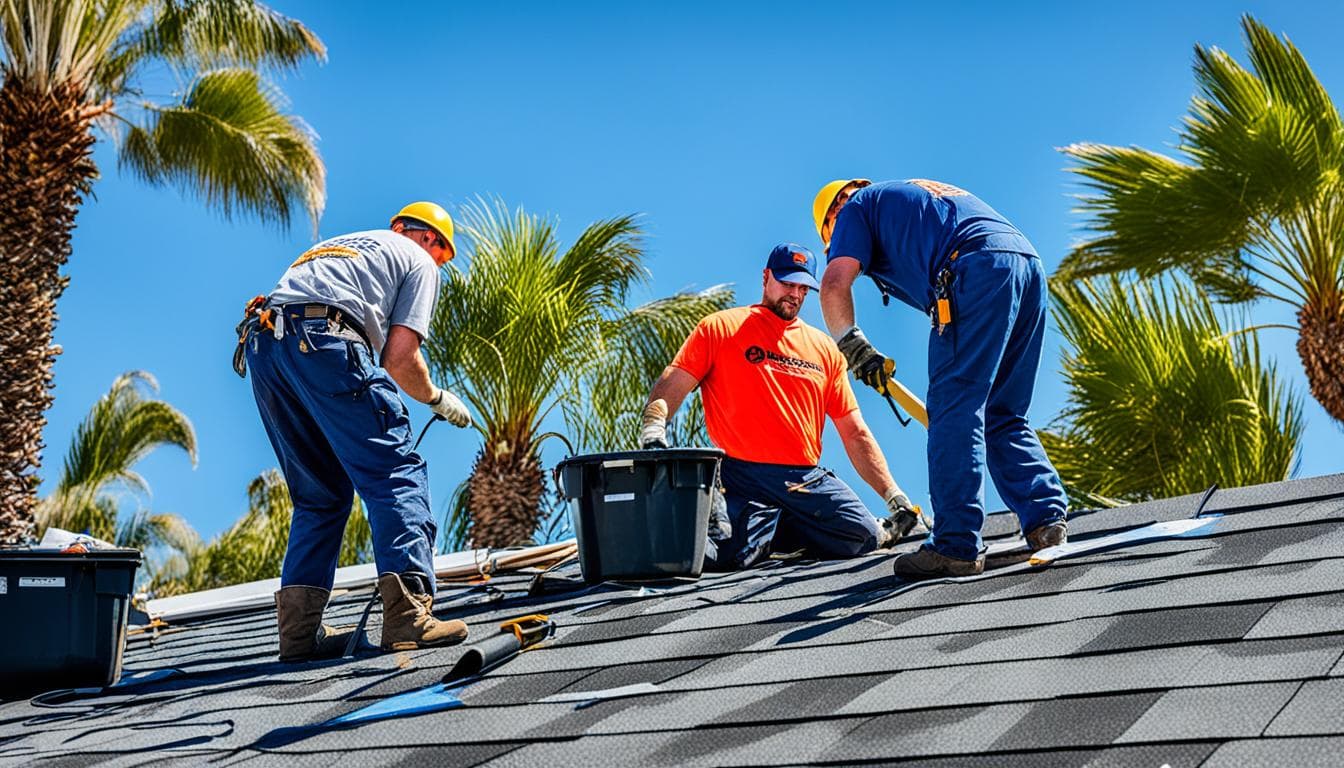
What Are Single Family Housing Repair Grants?
Single family housing repair grants are funds designed to help eligible homeowners address needed repairs. Unlike a loan, a grant generally does not have to be repaid if the recipient follows the program rules. However, many programs use a mix of grants, deferred loans, forgivable loans, or low-interest loans. Some assistance may become repayable if the home is sold within a certain period or if program requirements are not met.
These programs often focus on essential repairs rather than cosmetic upgrades. Common eligible repairs may include roof replacement, plumbing repairs, electrical safety work, heating and cooling system repairs, structural issues, accessibility modifications, weatherization, septic or water system improvements, and removal of health or safety hazards.
People searching for online grants for single mothers or grants for single mom should be cautious. Many legitimate programs begin with an online application or inquiry form, but most official grants require documentation and are administered through government agencies, local housing departments, or approved nonprofit partners.
USDA Single Family Housing Repair Loans and Grants
One of the best-known federal programs is the USDA Single Family Housing Repair Loans and Grants program, also known as the Section 504 Home Repair program. It is intended for very-low-income homeowners in eligible rural areas. USDA repair loans may be used to repair, improve, or modernize a home, while grants are generally targeted toward removing health and safety hazards.
The USDA grant portion has specific requirements, including age-based eligibility. Homeowners should review the current USDA rules, income limits, property location requirements, and local Rural Development office instructions before applying. A single mother may qualify if she owns and occupies the home, meets income limits, lives in an eligible area, and satisfies all other program conditions. However, being a single parent by itself does not automatically guarantee approval.
This distinction is important for readers searching for housing grants for single mothers or a single parent grant. Many housing repair programs are income-based, location-based, or need-based rather than exclusively designed for single mothers. Single-parent households may still be strong candidates if their income and repair needs fit the program criteria.
HUD-Related Home Repair Options
The U.S. Department of Housing and Urban Development supports several housing and community development tools that may help with repairs, although HUD usually does not provide direct home repair grants to every individual homeowner. Instead, HUD funds or supports programs through state and local governments, housing agencies, and approved lenders.
For example, HUD’s Title I Property Improvement Loan program and FHA 203(k) rehabilitation mortgage can help eligible borrowers finance home improvements. These are loan-based options, not grants, so homeowners should carefully review repayment obligations, lender requirements, interest rates, fees, and property rules.
HUD-related community programs may also support local homeowner rehabilitation assistance. In some cities or counties, funds from programs such as HOME Investment Partnerships or Community Development Block Grants may be used by local governments to assist income-eligible homeowners with repairs. Availability varies widely by location, budget, and local priorities.
Local Government Help With Home Repairs
Many homeowners find practical assistance through city, county, or state housing departments. Local programs may offer emergency repair grants, weatherization support, accessibility modifications, lead hazard reduction, energy-efficiency improvements, or deferred-payment loans.
These programs often prioritize households with low income, seniors, people with disabilities, veterans, families with children, or homes with urgent health and safety issues. A single mother may be considered under household income, family size, child safety concerns, or local priority categories.
To find local options, homeowners can search their city or county website for terms such as “home repair program,” “owner-occupied rehabilitation,” “housing rehabilitation assistance,” “emergency home repair,” or “weatherization assistance.” Local housing counseling agencies and community action agencies may also help identify programs.
Home Improvement Grants for Single Moms: What to Know
There is no single national program called “home improvement grants for single moms” that automatically provides money to every single mother. Instead, single mothers may qualify for broader housing repair programs if they meet the eligibility rules.
Typical requirements may include proof of homeownership, occupancy as a primary residence, income limits, property tax status, homeowner insurance, mortgage status, repair estimates, contractor bids, and verification that the repair is necessary. Some programs require applicants to be current on property taxes or to resolve liens before receiving assistance.
Financial assistance for single mothers may also come from related support programs. For example, help with utility bills, weatherization, child care, food assistance, or rental assistance may free up household income for essential maintenance. While these are not always home repair grants, they can be part of a broader financial stability plan.
Common Repairs That May Be Covered
Most government and nonprofit repair programs focus on safety, habitability, accessibility, and code compliance. Eligible projects may include repairing a damaged roof, replacing unsafe electrical systems, fixing major plumbing issues, improving heating systems, repairing broken windows or doors, installing ramps or grab bars, addressing mold or moisture problems, improving insulation, or correcting code violations.
Programs usually do not cover luxury renovations, purely cosmetic upgrades, room additions, high-end appliances, or improvements that are not tied to health, safety, accessibility, or basic property preservation. Before applying, homeowners should describe the repair clearly and gather photos, estimates, inspection reports, or notices from local authorities if available.
How to Prepare Before Applying
Before applying for government help with home repairs, homeowners should organize key documents. These may include photo identification, proof of income, Social Security or tax documents, mortgage statement, deed or property tax record, utility bills, insurance information, repair estimates, and photos of the problem.
It is also helpful to write a short explanation of the repair need. For example, a single parent might explain that a roof leak is affecting a child’s bedroom, or that a broken heating system creates a safety concern during winter. The explanation should be factual and specific, not exaggerated.
Applicants should confirm whether the program requires approved contractors, multiple bids, inspections, or environmental reviews. Starting repair work before approval may make the project ineligible for reimbursement, so homeowners should read program rules carefully.
Avoiding Grant Scams and Misleading Claims
Because many people search for online grants for single mothers or grants for single mom, misleading websites sometimes use broad promises to collect personal information. Homeowners should be careful with any site that guarantees approval, charges large upfront fees, asks for payment to access “secret grants,” or claims that federal grants are available instantly without eligibility review.
Reliable sources usually include government websites ending in .gov, official state or local housing agencies, USDA Rural Development offices, HUD-approved housing counseling agencies, established nonprofit organizations, and community action agencies. Applicants should avoid sharing sensitive information unless they are confident the organization is legitimate.
Comparing Grants, Loans, and Other Assistance
A grant is often the most attractive option because it may not require repayment. However, grants may have strict limits and may not cover the full repair cost. Low-interest loans can provide more funding but create repayment obligations. Deferred loans may not require monthly payments but may become due when the home is sold, refinanced, or transferred. Forgivable loans may be reduced over time if the homeowner remains in the property and follows program rules.
For single parents, the best option is usually the one that addresses the repair without creating unsustainable debt. Homeowners should compare total cost, repayment terms, eligibility rules, contractor requirements, and timing before choosing a program.
Conclusion
Single family housing repair grants in the USA can provide important support for eligible homeowners who need to make essential repairs. While many people search for home improvement grants for single moms, housing grants for single mothers, or a single parent grant, most programs are based on income, location, ownership, age, disability status, or repair urgency rather than single-parent status alone.
The best starting points are USDA Rural Development for rural homeowners, local housing departments, HUD-related resources, community action agencies, and reputable nonprofit repair programs. By reviewing eligibility carefully, preparing documents, and avoiding exaggerated claims, homeowners can better understand the repair assistance options available in their area.
Disclaimer
This article provides general informational guidance only. Program details, funding availability, eligibility rules, application steps, and approval decisions vary by provider, location, household income, property type, and repair need. Homeowners should confirm current requirements directly with the relevant government agency, housing department, lender, or nonprofit organization before applying.
References
U.S. Department of Agriculture Rural Development — Single Family Housing Repair Loans and Grants
USA.gov — Government Home Repair Assistance Programs
U.S. Department of Housing and Urban Development — Home Improvements and FHA Repair Programs
HUD Exchange — HOME Homeowner Rehabilitation Resources
Local city, county, and state housing departments
HUD-approved housing counseling agencies