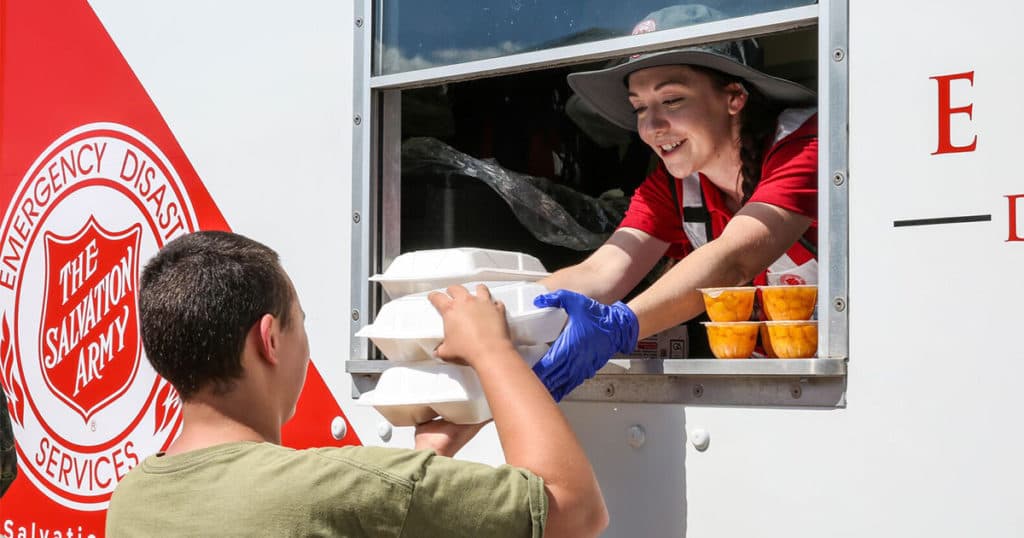
As the population in the United Kingdom continues to age, many families are actively searching for reliable home care services for elderly loved ones. Whether prompted by health changes, mobility challenges, or the need for companionship, understanding available care options is essential. This guide explains different forms of elderly care in the UK, including home-based services, residential alternatives, and community support—while also highlighting the role of organisations such as The Salvation Army in supporting older adults and caregivers.
Understanding Elderly Care Needs
Ageing brings varied challenges, and care needs can change gradually or suddenly. Many people begin their search using terms like elderly care near me when daily tasks become harder to manage independently.
Common needs include:
Personal care (washing, dressing, toileting)
Meal preparation and nutrition support
Medication reminders
Mobility and fall-prevention assistance
Social interaction and emotional wellbeing
Identifying these needs early can help families choose appropriate care while preserving independence.
What Are Home Care Services for Elderly?
Home care services for elderly individuals provide practical support while allowing older adults to remain in their own homes. This option is often preferred because it maintains familiarity, routines, and local community connections.
Home care services may include:
Scheduled visits from trained carers
Live-in care for ongoing support
Short-term recovery care after hospital discharge
Help with household tasks and daily routines
Families seeking private care for elderly at home usually arrange services through regulated providers overseen by the Care Quality Commission (CQC).
Residential Care Alternatives
When care needs increase beyond what home support can provide, families often explore residential options. Searches for nursing homes near me or assisted care living near me are common during this stage.
Main Residential Options
Assisted living: Independent accommodation with personal care support
Nursing homes: 24-hour medical supervision by qualified staff
Residential care homes: Personal care without continuous nursing
Each option offers different levels of support depending on medical and personal needs.
The Role of The Salvation Army in Elderly Support
In addition to private and council-provided services, charities play an important role in supporting older adults. The Salvation Army is one such organisation known across the UK for its community-based programmes.
While not a medical care provider, The Salvation Army may offer:
Adult day programmes for seniors
Social activities that reduce isolation
Practical assistance for families and carers
Guidance on accessing local support services
These programmes are designed to complement—not replace—formal care services and may be especially helpful for seniors living independently or receiving home care.
Costs of Elderly Care in the UK
Care costs depend on location, provider, and level of support required. Understanding typical costs helps families plan realistically.
Average Elderly Care Costs
Type of Care | Typical Cost (UK) |
|---|---|
Home care (hourly) | £20–£30 per hour |
Live-in home care | £900–£1,400 per week |
Assisted living | £600–£900 per week |
Nursing home care | £800–£1,200+ per week |
Figures are approximate and may vary by region.
Free and Subsidised Care Options
Not all care requires private payment. Some families may qualify for free senior home care or subsidised services through public funding or charitable support.
Free In-Home Help for Seniors May Include:
Local council care needs assessments
Means-tested home care services
NHS-funded healthcare support
Community and charity-led programmes
For eligible individuals, free in home help for seniors may cover personal care visits, equipment, or home adaptations.
How to Find Elderly Care Near You
When searching for elderly care near me, families can:
Contact their local council to request a care needs assessment
Review CQC inspection reports for care providers
Compare home care and residential options
Explore community organisations such as The Salvation Army for additional support
Taking time to compare services helps ensure care matches both needs and budget.
Home Care vs Nursing Homes: Making the Right Choice
Choosing between home care services for elderly individuals and residential care depends on several factors:
Level of medical supervision required
Personal preference for staying at home
Availability of family caregivers
Financial considerations
Some families combine services—for example, private home care with community-based programmes—to provide balanced support.
Conclusion
Navigating elderly care in the UK can feel overwhelming, but understanding available options makes the process more manageable. From private care for elderly at home to residential facilities and community organisations like The Salvation Army, families have multiple paths to explore. The right choice is one that supports safety, dignity, and quality of life.
Disclaimer
This article is for general informational purposes only and does not constitute medical, legal, or financial advice. Availability, eligibility, and costs of services may vary. Readers are encouraged to contact local authorities or qualified care professionals for personalised guidance.
References
NHS – Social Care and Support Guidance
UK Care Quality Commission (CQC)
Age UK – Elderly Care Information
The Salvation Army UK – Community and Older Adult Support Programmes