As America’s senior population continues to grow, families face increasing challenges balancing work, caregiving, and the desire to keep loved ones safe, engaged, and socially connected. For many older adults, remaining at home for as long as possible is a core part of maintaining dignity, independence, and emotional wellbeing. The Salvation Army, known for its long-standing commitment to community care, offers a unique approach through its Adult Day Services, providing structured daytime support that helps seniors stay active and reduces the need for premature assisted living placement.
Understanding Salvation Army Adult Day Services
Adult Day Services, such as those offered at The Samaritan Center, are designed to support seniors and adults who require assistance, supervision, and structured activities during the day. These programs aim to “change how you live, not where you live”—empowering seniors to remain safely at home instead of entering full-time residential care earlier than necessary.
Unlike medical nursing homes or assisted living facilities, Adult Day Services focus on:
Social interaction
Wellness activities
Cognitive stimulation
Light personal care
Supervision and safety
Respite for caregivers
This makes them an effective alternative for families who do not need full-time residential care but want more support than what traditional in-home help alone provides.
What Services Do Salvation Army Adult Day Centers Provide?
Salvation Army Adult Day programs offer some of the most comprehensive support options available in community-based senior services. Program features may vary by region, but generally include:
Social and Recreational Activities
A full activity schedule keeps seniors engaged, active, and connected. Activities often include:
Light exercise
Arts and crafts
Music programs
Guest presentations
Games
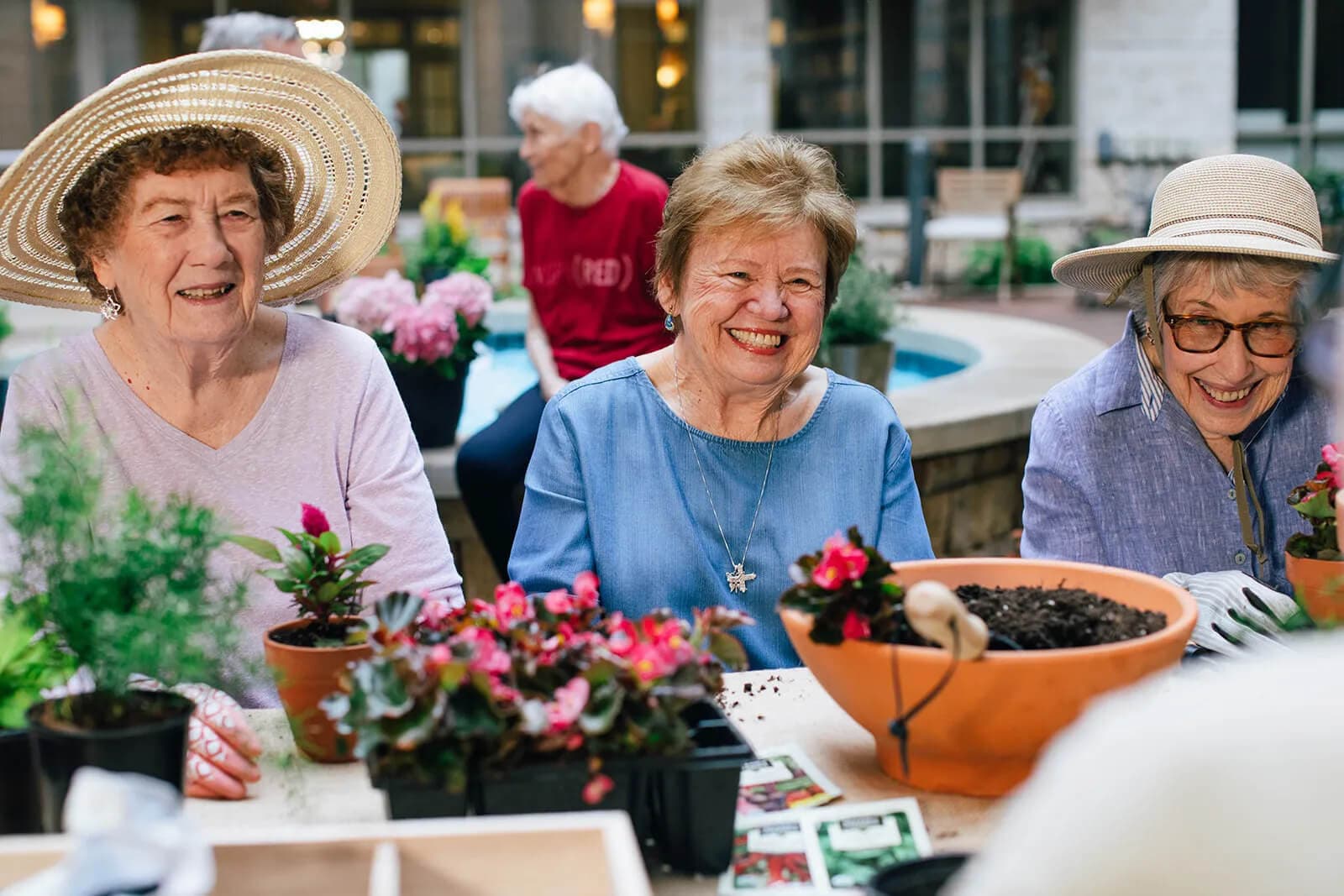
Gardening
Group discussions
Memory-friendly activities
These activities promote mental stimulation, physical movement, and emotional wellbeing.
Personalized Care Plans
Each participant receives an individualized plan tailored to:
Personal strengths
Health needs
Interests
Social preferences
This ensures that support is meaningful and respectful of each senior’s unique background.
Nutritious Meals and Snacks
Adult Day Services typically offer:
Lunch
Morning and afternoon snacks
Customized accommodations for dietary restrictions
Proper nutrition plays a key role in maintaining energy, health, and mood—especially for older adults with chronic conditions.
Supervision and General Health Monitoring
While not a replacement for medical care, many centers provide:
Medication reminders or administration (depending on state policy)
Basic health checks
First aid
Daily wellness observations
At centers like The Samaritan Center, a licensed nurse is part of the staff to support basic health needs.
Transportation Services
For seniors who do not drive or whose families have limited scheduling flexibility, transportation may be available to ensure safe arrival and departure.
Benefits for Seniors and Their Families
Helps Seniors Maintain Independence at Home
One of the greatest advantages of Adult Day Services is that they allow older adults to continue living in familiar surroundings. For those searching for assistance for seniors living at home, this option can delay the need for residential care by more than a year, on average.
Reduces Loneliness and Social Isolation
Seniors—especially those who live alone—often struggle with isolation. Regular social activities support emotional wellbeing and help prevent depression.
Supports Caregivers Who Work or Manage Busy Schedules
Adult Day Services offer peace of mind to family caregivers by providing:
A safe place for their loved one
Predictable daytime supervision
A structured routine
This allows caregivers to maintain employment, manage errands, or simply rest.
Provides Engaging, Meaningful Daily Routines
Through structured activities and social interaction, seniors experience:
Greater confidence
A sense of purpose
Improved mobility
Better overall wellbeing
Offers Cost-Effective Support Compared to Full-Time Residential Care
While not a free senior home care program, Adult Day Services are often more affordable than assisted living or nursing home placement. Some centers may also accept funding sources such as:
Medicare programs (varies by state and plan)
Veterans Affairs support
Local county funding
Community-based assistance
Families should confirm local eligibility and benefits available in their region.
Who Is an Ideal Fit for Salvation Army Adult Day Services?
These programs are particularly valuable for seniors who:
Live at home but need daytime assistance
Feel lonely, bored, or isolated
Have mild to moderate cognitive decline
Need help staying active or engaged
Require monitoring to ensure safety
Benefit from structured daily routines
Adult Day Services are not the same as assisted living, but can complement the needs of families who are not yet ready for—or do not need—residential care.
How Salvation Army Adult Day Services Differ From Other Senior Care Options
Below is a comparison to help families understand where Adult Day Services fit along the continuum of care:
Care Type | Description | Best For |
|---|---|---|
In-Home Care | Caregivers assist seniors inside their home | Seniors needing daily in-home tasks (e.g., meal prep, bathing) |
Adult Day Services | Daytime activities, supervision, meals, socialization | Seniors who live at home but need daytime support |
Assisted Living | Residential facility with 24/7 supervision | Seniors needing continual daily assistance |
Skilled Nursing Facility | Medical-level residential care | Seniors with significant medical needs |
Adult Day Services fill a unique and affordable middle-ground option for many families.
The Professional Team Behind Salvation Army Adult Day Programs
High-quality senior care requires a compassionate team. Salvation Army centers typically employ:
Licensed social workers to help families navigate community resources
Nurses for medication administration and health monitoring
Activities directors who plan safe, creative activities
Transport specialists to assist with mobility and travel
Trained volunteers who support comfort, companionship, and engagement
This multidisciplinary approach ensures seniors receive well-rounded support.
How to Get Started With Salvation Army Adult Day Services
Families interested in exploring enrollment should:
Locate the nearest Salvation Army center offering Adult Day Services
Schedule a visit to observe activities and meet staff
Discuss care needs and goals for the senior
Review eligibility, program hours, and transportation options
Ask about costs and funding options that may apply in your region
Each center may have different requirements and availability, so early contact is recommended—especially during winter or holiday seasons when demand increases.
Conclusion
Salvation Army Adult Day Services provide a compassionate, community-centered solution for seniors who want to remain at home but benefit from supervision, socialization, and meaningful daily activities. For families seeking alternatives to early assisted living placement, these programs offer dignity, independence, and much-needed support.
Through structured activities, personalized care plans, nutritious meals, and trained staff, Adult Day Services help seniors live safely and joyfully—while giving caregivers the confidence and peace of mind they deserve.
As America’s aging population grows, programs like Salvation Army Adult Day Services will continue to play a vital role in promoting healthy, independent, and connected living for older adults.
Disclaimer
This article is for informational purposes only. Availability of Adult Day Services, program features, and funding options varies by location. This article does not provide medical, legal, or financial advice. Families should contact their local Salvation Army center or qualified professionals for personalized guidance.
References
The Salvation Army USA – Adult Day Services (public program description)
National Institute on Aging – Senior Care Support Resources
https://www.nia.nih.gov/healthAdministration for Community Living – Elder Care Programs
https://acl.gov/programs