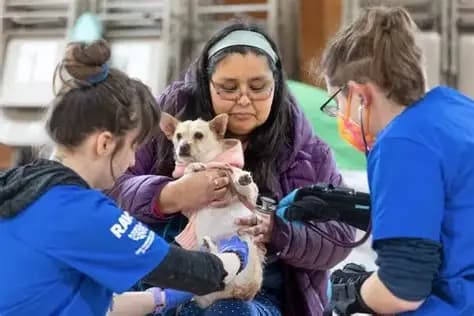
Understanding Pet Assistance Programs
Pet assistance programs are designed to help owners keep their pets healthy and, when possible, prevent unnecessary surrender to shelters. The type of support available depends heavily on location, funding, eligibility rules, and the urgency of the pet’s needs.
Some programs focus on basic needs such as pet food and supplies. Others help with medical care, including vaccinations, spay or neuter surgery, dental care, or emergency treatment. In certain communities, animal welfare groups may also provide short-term foster care or temporary boarding for people dealing with hospitalization, housing instability, domestic violence, or natural disasters.
The Humane Society notes that people struggling to afford a pet may be able to find help with veterinary expenses, pet food, and related support through animal welfare organizations and local resources.
Government-supported pet assistance program
There is no single nationwide federal program that pays for routine pet expenses for all low-income pet owners. However, government-supported pet assistance programs may exist at the state, county, or city level, often through animal services departments, public shelters, or public-private partnerships.
These programs may include low-cost vaccination clinics, spay and neuter vouchers, pet licensing support, disaster preparedness resources, or community pet food distribution. Some local governments also coordinate with nonprofit shelters to provide supplies or temporary assistance for residents in need.
For example, New York City’s animal welfare resources page lists support options for people with pets, including pet food, supplies, and other local services for residents. In some states, animal population control programs may also help eligible residents access lower-cost spay, neuter, or vaccination services.
Government involvement is often indirect. A city or county may fund an animal shelter, partner with a humane society, or provide grants to organizations that serve pet owners. In disaster situations, federal and state agencies also provide guidance on including pets in emergency planning. USDA’s Animal and Plant Health Inspection Service states that it provides national leadership on the safety and well-being of pets and other animals during disasters.
Because programs vary widely, pet owners should check local animal services departments, municipal shelters, county health departments, and state agriculture or animal welfare offices for current information.
Pet Food Banks and Supply Assistance
Pet food banks are among the most common forms of pet assistance. They may be operated by animal shelters, rescue groups, churches, community centers, or general food banks that include pet supplies.
These programs may provide dry or wet food for dogs and cats, cat litter, leashes, collars, crates, or basic grooming items. Some programs serve anyone in temporary hardship, while others require proof of income, residency, pet ownership, or participation in public benefit programs.
Pet food assistance is usually limited by donations and inventory. A household may receive support once per month, a few times per year, or only during emergencies. Since availability changes frequently, it is useful to confirm hours, documentation rules, and pet food supply before visiting a distribution site.
Low-Cost Veterinary Care
Veterinary care is one of the largest expenses associated with pet ownership. Routine exams, vaccines, parasite prevention, diagnostic tests, dental procedures, and surgery can become costly, especially when several services are needed at once.
Low-cost veterinary clinics may be operated by humane societies, veterinary schools, nonprofit hospitals, mobile clinics, or local shelters. These clinics may offer reduced-cost wellness exams, vaccines, microchipping, heartworm testing, flea prevention, and basic medical care.
Some programs are income-based, while others are open to the public but priced below standard private clinic rates. Pet owners should understand that low-cost clinics may have limited appointment availability and may not provide full emergency or specialty care.
The American Veterinary Medical Association emphasizes the importance of responsible pet care and veterinary attention as part of animal health and welfare.
Spay, Neuter, and Vaccination Assistance
Spay and neuter assistance is commonly available through shelters, rescue organizations, and public animal welfare programs. These services help reduce unwanted litters, lower shelter intake, and may provide health benefits for pets.
Vaccination assistance may include rabies vaccines, core dog and cat vaccines, and sometimes microchipping. Rabies vaccination is especially important because it is legally required in many jurisdictions and protects both animals and people.
Eligibility may depend on income, ZIP code, pet species, age, or whether the pet is already licensed. Some clinics offer voucher programs that allow owners to receive discounted services at participating veterinarians. Others operate scheduled clinic days with fixed prices.
Emergency Veterinary Financial Assistance
Emergency veterinary care can be difficult to afford because treatment may be needed immediately. Some nonprofit organizations provide grants or partial assistance for urgent or life-threatening medical situations.
These programs often require a diagnosis, treatment estimate, proof of financial need, and confirmation that the pet has a reasonable prognosis. Many organizations do not cover routine care, pre-existing bills, cosmetic procedures, or treatment that has already been completed.
Best Friends Animal Society maintains information on financial assistance programs for pet owners, including national and state-level resources for veterinary care.
It is important to understand that emergency grants are usually limited. They may cover only part of the bill, and approval is not guaranteed. Pet owners may also need to discuss payment options, treatment priorities, or lower-cost alternatives directly with a veterinarian.
Assistance for Seniors, Veterans, and People with Disabilities
Some pet assistance programs focus on specific groups, including seniors, veterans, people with disabilities, or people receiving public benefits. These programs may provide pet food delivery, reduced-cost veterinary services, transportation assistance, or support for service animals and emotional support animals.
For older adults, keeping a pet may support companionship and routine, but costs can be challenging on a fixed income. Local senior centers, Area Agencies on Aging, Meals on Wheels partners, and animal welfare organizations may know about nearby pet food or veterinary assistance programs.
Veterans and people with disabilities may also find specialized support through service animal organizations, local nonprofits, or community foundations. Requirements vary, especially when programs distinguish between household pets, emotional support animals, therapy animals, and trained service animals.
Temporary Boarding and Crisis Support
Temporary pet care may be available for people facing hospitalization, domestic violence, eviction, homelessness, military deployment, or natural disasters. These services may include foster placement, short-term boarding, or referrals to emergency animal housing.
Not every shelter offers this type of help, and space is often limited. Programs may require proof of ownership, vaccination records, a defined care period, or an intake appointment. In urgent situations, local animal services, domestic violence agencies, social service providers, and rescue groups may be able to identify options.
USDA and FEMA encourage households to include pets in emergency planning, including food, medications, identification, and evacuation arrangements.
How to Compare Pet Assistance Options
When reviewing pet assistance programs, pet owners should look at several factors:
Eligibility rules are important. Some programs serve only residents of a specific city or county, while others require proof of income, benefit participation, age, disability status, or pet licensing.
Covered services should also be reviewed carefully. A program may help with food but not veterinary care, or may cover vaccines but not surgery. Emergency medical grants may exclude routine care.
Timing matters. Some programs require applications before treatment begins, while others may not reimburse past expenses. Emergency programs may process requests quickly, but funding limits can affect availability.
Finally, pet owners should confirm whether the program is a nonprofit, government agency, licensed clinic, or recognized animal welfare organization. This helps avoid misleading offers or services with unclear terms.
Conclusion
Pet assistance programs can provide meaningful support for owners who are trying to care for animals during financial hardship. In the USA, assistance may come from local governments, shelters, nonprofit organizations, veterinary clinics, food banks, and disaster response networks.
The most common forms of help include pet food banks, low-cost veterinary clinics, spay and neuter vouchers, vaccination programs, emergency veterinary grants, and temporary boarding resources. Because availability varies by location and funding, pet owners should review eligibility rules, documentation requirements, and covered services before relying on a program.
A careful, informed approach can help families explore responsible options while keeping pets safe, healthy, and connected to the people who care for them.
Disclaimer
This article is for general informational purposes only. Pet assistance programs, eligibility requirements, funding levels, covered services, and application rules may vary by provider, location, and current availability. Pet owners should contact the relevant organization, government office, shelter, or veterinary provider directly for the most accurate and current information.
References
U.S. Department of Agriculture Animal and Plant Health Inspection Service; USDA emergency preparedness guidance for pets; Humane Society resources for people having trouble affording pets; Best Friends Animal Society financial assistance resources; New York City Animal Welfare support resources for people with pets.