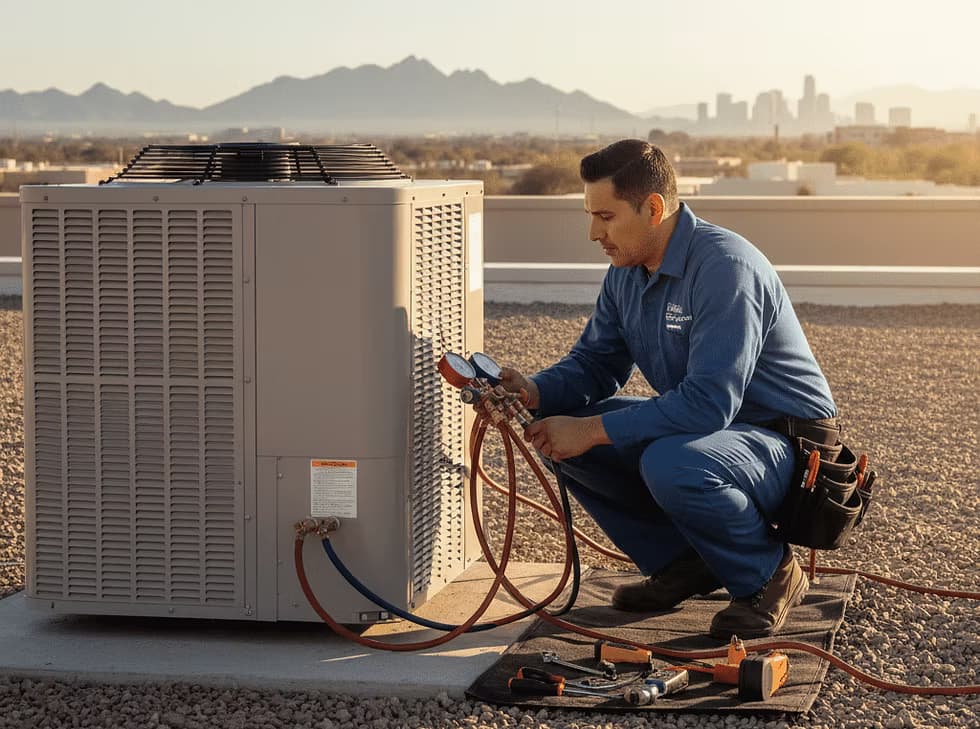
Understanding Paid HVAC Training Programs
Paid HVAC training programs are designed to help new or early-career workers learn HVAC skills while receiving some form of compensation or financial support. In many cases, the “paid” element may mean hourly pay during training, paid on-the-job apprenticeship work, employer-funded instruction, tuition support, or a combination of classroom and jobsite learning.
The HVAC field covers several technical areas, including residential heating and cooling systems, refrigeration, electrical fundamentals, ductwork, troubleshooting, installation, maintenance, customer communication, and safety procedures. According to the U.S. Bureau of Labor Statistics, HVAC mechanics and installers may train through apprenticeships that include paid on-the-job training and technical instruction. The BLS also reports that employment for HVAC mechanics and installers is projected to grow 8% from 2024 to 2034, with about 40,100 openings projected each year on average over the decade.
Because HVAC work involves real equipment, electricity, refrigerants, tools, and customer environments, training quality matters. A short program may introduce basic skills, while a longer apprenticeship may provide deeper technical experience over several years.
How Much Do HVAC Apprentices Make in the USA?
Many people researching paid HVAC training opportunities want to understand how apprentice earnings may vary across different stages of life. Whether someone is entering the trade at 18–24, 25–34, 35–44, 45–54, or 55+, HVAC apprentice pay is generally influenced by location, employer, experience level, union status, certifications, and progression through the training program rather than age alone.
In general, HVAC apprentices in the USA may earn approximately $15–$28 per hour, with annual earnings often ranging from about $31,000 to $58,000, depending on hours worked, overtime availability, local wage standards, and apprenticeship level. Entry-level apprentices may start near the lower end of the range, while later-stage apprentices with more field experience may earn higher wages.
Age Group | Common Entry Pathways | Estimated Apprentice Salary Range |
|---|---|---|
18–24 | Trade school graduates, entry-level helpers, workforce entrants | $31,000–$42,000/year |
25–34 | Career starters, technical program graduates, military veterans | $34,000–$48,000/year |
35–44 | Career changers seeking skilled-trade opportunities | $36,000–$52,000/year |
45–54 | Experienced workers transitioning from related industries | $38,000–$56,000/year |
55+ | Individuals pursuing a second career or part-time skilled trade work | $35,000–$58,000/year |
These ranges are general planning estimates, not guaranteed wages. Some apprenticeships follow structured wage increases, where pay rises as the apprentice completes required training hours, classroom instruction, and skill milestones.
When evaluating HVAC apprenticeship opportunities, prospective applicants may wish to compare:
Starting apprentice wages
Hourly versus annual pay structure
Paid training schedule
Overtime availability
Certification and licensing preparation
Benefits and retirement offerings
Advancement opportunities after completion
Local labor market demand
Because apprenticeship pay varies significantly by region, employer, union agreement, and program structure, applicants should review current wage information directly from apprenticeship sponsors, employers, unions, or workforce development organizations before applying.
CoolSys Get Paid To Train Program: What the 12-Week Paid HVAC-R Training Path Typically Includes
CoolSys publicly describes its “Get Paid To Train” program as a 12-week HVAC-R training pathway that combines classroom instruction with supervised hands-on experience at training facilities in Houston, Texas and Fullerton, California. According to the company’s materials, participants may receive paid training while learning commercial and industrial HVAC-R fundamentals, with training schedules generally operating during standard weekday business hours.
CoolSys also states that trainees may receive a starter hand-tool package through partnerships with Just Better Tools and True Tech Tools. Company materials describe the tool package as including selected HVAC-R hand tools, meters, amp clamps, and a tool bag intended to support entry-level field work.
The program overview additionally references:
classroom and practical hands-on instruction,
mentorship from experienced technicians,
ride-along exposure to commercial and industrial service environments,
and opportunities to explore different HVAC-R career paths within the company’s field operations.
CoolSys notes that compensation and program details may vary by location, hiring needs, and candidate eligibility. Individuals interested in paid HVAC-R training opportunities should review the most current information directly through official CoolSys career resources before applying.
Paid HVAC Training Programs in USA: Bardi HVAC Training, Apex Climate Solutions HVAC Training, and Other Employer-Sponsored Options
In the USA, paid HVAC training programs vary widely by employer and location. Some HVAC contractors advertise entry-level training, trainee roles, helper roles, installer assistant positions, or internal academies. These programs may be especially relevant for people who want to start working while learning.
For example, Bardi Heating, Cooling, Plumbing and Electrical is a Georgia-based company that publicly lists HVAC career opportunities and mentions paid training, ongoing instruction, coaching, stocked trucks, gas cards, and other employee benefits in certain job postings. Some third-party listings also describe “Bardi University” as a free HVAC training program in Norcross, Georgia, though applicants should always verify current details directly with the company before relying on any enrollment, pay, schedule, or job-placement statement.
Apex Climate Solutions HVAC training may also appear in job-style advertisements, local hiring posts, or online creative materials. Because publicly verifiable details can vary by location and source, applicants should treat any mention of Apex Climate Solutions HVAC training as a lead to research rather than a guaranteed offer. Before applying, check whether the program has an official company page, a real business address, clear training terms, written pay information, and transparent eligibility requirements.
This cautious approach is important for all employer-sponsored HVAC training programs. A legitimate program should clearly explain whether trainees are employees, apprentices, students, or contractors; whether pay starts on day one; whether tools or uniforms are provided; and whether completion leads to further employment consideration.
Common Types of HVAC Training Programs
There is no single format for HVAC technician training programs. Most options fall into several common categories.
Program Type | Typical Structure | Possible Benefits | Important Questions |
|---|---|---|---|
Employer-paid training | Training provided by an HVAC company | May include hourly pay and jobsite exposure | Is employment guaranteed or only considered? |
Registered apprenticeship | Paid work plus technical instruction | Structured long-term career pathway | Is it registered with a state or federal agency? |
Technical school program | Classroom and lab-based instruction | Focused training environment | What is the tuition, duration, and certification support? |
Community college HVAC program | Certificate or diploma pathway | May offer financial aid options | Does it include hands-on lab work? |
Short funded HVAC training | Often 7-week to 12-week skill introduction | Lower upfront cost if funded | What skills are actually covered? |
A 7-week Paid Hvac Training program may be useful as an introductory pathway, especially if it focuses on safety, tool use, basic installation support, and entry-level service concepts. However, seven weeks is generally not enough to master the entire HVAC trade. It is better understood as a starting point, not a complete substitute for supervised field experience, licensing preparation, or advanced technical training.
What Skills Are Usually Covered?
Entry-level HVAC training programs often begin with basic safety and trade readiness. Students or trainees may learn how to identify tools, read simple diagrams, understand system components, follow jobsite procedures, and assist with installations or maintenance tasks.
More developed programs may include electrical basics, airflow, refrigeration cycles, brazing, ductwork, thermostats, diagnostic methods, customer service, and system performance testing. Some programs also prepare students for EPA Section 608 certification, which is important for technicians who work with regulated refrigerants. The EPA states that technicians must pass an EPA-approved test to earn Section 608 Technician Certification, and the tests are specific to the type of equipment the technician seeks to work on.
Because certification requirements and licensing rules can vary by state and job type, applicants should check local requirements before choosing a program. A program that is helpful in one state may not fully meet requirements in another.
How to Compare Funded HVAC Training Programs
When comparing Funded Hvac Training options, look beyond the headline. A program may say “paid training” or “tuition covered,” but the details determine whether it is a good fit.
Start with the compensation model. Ask whether trainees are paid hourly, receive a stipend, or simply avoid tuition costs. Then review the schedule. Some programs are full-time, while others are part-time or evening-based. A full-time program may move faster, but it may be harder for someone who already has work or family responsibilities.
Next, check what happens after completion. Avoid assuming that training automatically guarantees a job. A safer and more realistic interpretation is that some programs may provide employment consideration, interviews, apprenticeship placement, or internal advancement opportunities, depending on performance and business needs.
Also compare the training provider’s reputation. Look for official company pages, state workforce listings, community college pages, registered apprenticeship resources, and verified employer postings. The U.S. Department of Labor’s Apprenticeship.gov lists HVAC-related occupations that may be used in Registered Apprenticeship Programs, which can be a useful starting point for people evaluating formal apprenticeship options.
Who May Benefit From Paid HVAC Training?
Paid Training Programs may be suitable for career changers, recent graduates, veterans, mechanically inclined workers, warehouse or maintenance employees, and people who prefer hands-on learning over classroom-only study. HVAC may also appeal to people who want a practical trade with residential, commercial, and service-related opportunities.
However, HVAC work can be physically demanding. Technicians may work in attics, crawl spaces, rooftops, mechanical rooms, outdoor weather, and customer homes. The work may involve lifting, driving, troubleshooting under time pressure, and following safety rules carefully. A good training program should explain these realities clearly rather than presenting the job as easy or guaranteed.
Red Flags to Watch For
Be cautious with advertisements that promise unusually high pay for beginners, guaranteed placement with no conditions, instant certification, or vague “limited enrollment” language without official program details. Also be careful if the program asks for personal information before explaining who operates the training, where it takes place, and what the terms are.
A legitimate HVAC training opportunity should provide clear information about the employer or school, training length, pay or tuition structure, certification support, attendance expectations, and next steps. If the offer mentions Bardi HVAC training, Apex Climate Solutions HVAC training, or any other employer-funded program, verify the details through official sources before applying.
Conclusion
Paid HVAC training programs can be a practical entry point for people who want to explore HVAC work while reducing upfront education costs. Options may include employer-sponsored training, apprenticeships, technical school programs, community college certificates, and short funded courses such as 7-week Paid Hvac Training introductions.
The best choice depends on location, schedule, pay structure, certification needs, and long-term career goals. Before applying, compare program details carefully, confirm whether training is truly paid or funded, and check whether the pathway supports real skill development. A careful review can help applicants choose HVAC technician training programs that are realistic, transparent, and aligned with their needs.
DISCLAIMER
This article is for general informational purposes only. HVAC training details, pay, eligibility, program length, certification requirements, and employment outcomes may vary by provider, employer, state, location, and applicant qualifications. Always verify current program information directly with the training provider, employer, licensing authority, or relevant government agency before applying.
REFERENCES
U.S. Bureau of Labor Statistics — Occupational Outlook Handbook for Heating, Air Conditioning, and Refrigeration Mechanics and Installers.
U.S. Department of Labor — Apprenticeship.gov HVAC-related apprenticeship occupation information.
U.S. Environmental Protection Agency — Section 608 Technician Certification requirements.
Bardi Heating, Cooling, Plumbing and Electrical — HVAC career posting information mentioning paid training and ongoing instruction.