In this guide, you can understand how these programs work, what obligations may apply, and how to compare truck driving jobs after training.
What Is Paid CDL Training?
Paid CDL training usually refers to a training arrangement where an employer, motor carrier, or training partner helps cover some or all of the cost of CDL instruction. In many cases, the training is connected to a future driving job with the same company or an affiliated carrier.
These programs can vary widely. Some companies may cover tuition upfront. Others may offer financing, payroll deductions, reimbursement after a period of employment, or a training contract that requires the driver to work for the company for a set amount of time. Because the details differ, it is important to read the agreement carefully before enrolling.
The Federal Motor Carrier Safety Administration states that entry-level drivers subject to Entry-Level Driver Training rules must complete required training from a registered training provider before taking certain CDL skills or knowledge tests. The FMCSA Training Provider Registry is used to help verify that required training has been completed.
How to Earn While Learning: Paid CDL Training Opportunities by Age Groups
Many people exploring Paid CDL Training Programs are looking for opportunities that allow them to gain commercial driving skills while earning income during training. Employer-sponsored programs, apprenticeships, and company-supported driver development pathways are often available to adults at various stages of their careers.
Whether you are 18–24, 25–34, 35–44, 45–54, or 55+, eligibility requirements may differ based on federal regulations, state licensing rules, insurance requirements, and employer hiring policies. Some programs focus on recent workforce entrants, while others welcome career changers seeking a transition into the transportation industry.
When comparing paid CDL training options, it may be helpful to review:
Minimum age requirements
Commercial learner permit (CLP) prerequisites
Compensation during training
Program length and structure
CDL licensing support
Employment opportunities after training
Interstate versus intrastate driving eligibility
Because requirements and program availability vary by employer and location, prospective applicants should review current training details directly with the carrier, training provider, or apprenticeship sponsor before applying.
How Company Paid CDL Training Commonly Works
Company Paid Cdl Training is often structured as a path from training to employment. A typical process may include an application, background review, motor vehicle record check, drug screening, medical certification, permit preparation, classroom or theory instruction, behind-the-wheel training, CDL testing, and supervised driving after hire.
Some companies operate their own training programs, while others partner with third-party CDL schools. In either case, applicants should confirm whether the training provider is listed in the FMCSA Training Provider Registry if the training is required for the CDL class or endorsement being pursued. Training providers registered in the registry self-certify that they meet applicable federal and state training requirements.
Paid training does not always mean there are no costs or obligations. A program may include conditions such as a minimum employment period, repayment terms if the driver leaves early, equipment fees, licensing fees, or separate costs for permits and medical exams.
5 Best Paid CDL Training Programs in the USA in 2026
For people researching paid CDL training opportunities, it can be helpful to understand the types of employer-sponsored programs commonly available across the trucking industry. While program structures, compensation, eligibility requirements, and hiring commitments vary by company and location, several large carriers are frequently mentioned by job seekers exploring CDL training pathways.
The following employers are often associated with company-sponsored CDL training or tuition-supported driver development programs:
1. Schneider CDL Apprenticeship and Training Programs: Schneider has historically offered training pathways that combine classroom instruction, behind-the-wheel experience, and mentorship opportunities. Program availability may vary by region and hiring needs.
2. Roehl Transport Get Your CDL Program: Roehl Transport is known for providing training routes designed for individuals entering the trucking industry. Participants typically receive instruction while working toward CDL qualification requirements established by state and federal regulations.
3. CR England Driver Training Programs: CR England has long been associated with entry-level driver training opportunities. Applicants should review current program details carefully, including training structure, compensation policies, and any employment commitments.
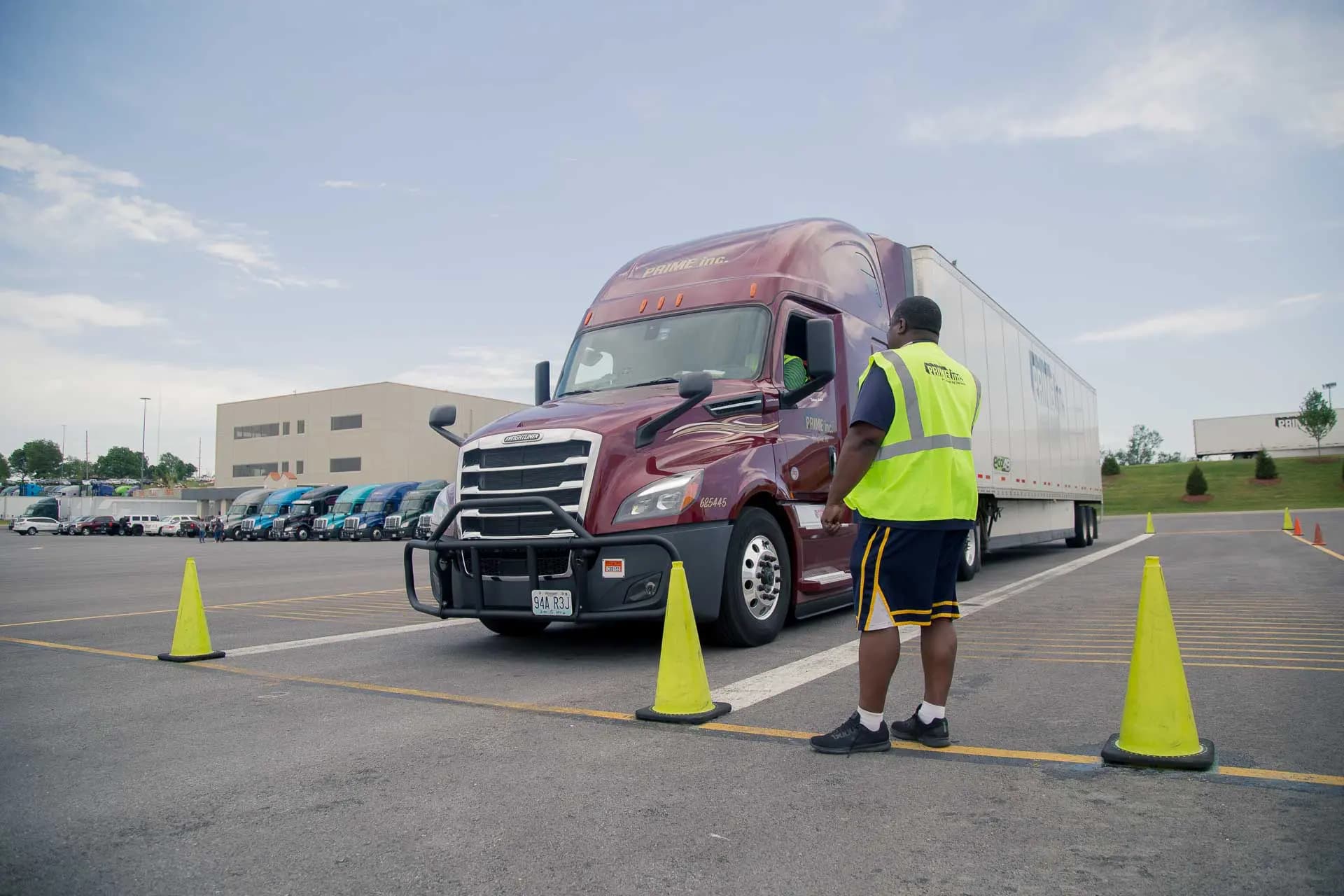
4. Prime Inc. CDL Training Opportunities: Prime Inc. offers driver training pathways that generally combine classroom learning, simulator work, and supervised driving experience. Program details may differ depending on location and operational requirements.
5. Swift Transportation Driver Academy Programs: Swift Transportation has offered CDL training programs designed to help individuals enter commercial driving careers. Training availability, schedules, and eligibility criteria may change over time and should be verified directly with the employer.
Common Types of Paid CDL Training Programs
Program Type | How It Usually Works | Key Considerations |
|---|---|---|
Employer-sponsored CDL training | A carrier helps cover training costs and may offer a job after licensing | Review employment contract, repayment terms, and route expectations |
Tuition reimbursement | Driver pays or finances training first, then receives reimbursement after working for a company | Confirm reimbursement schedule, limits, and eligibility rules |
In-house CDL academy | Training is provided directly by a trucking company or its training division | Check whether training meets ELDT requirements and whether employment is guaranteed or conditional |
Apprenticeship or structured trainee program | Driver completes training and supervised work over time | Ask about wages, benefits, mentoring, and timeline |
School-carrier partnership | A CDL school works with one or more employers for placement opportunities | Confirm that job placement is not guaranteed unless clearly stated in writing |
Requirements Applicants May Need to Meet
Requirements for Paid Cdl Training Jobs vary by employer and state, but many programs review similar factors. Applicants often need to meet minimum age rules, hold a valid driver’s license, pass a Department of Transportation medical exam, meet drug and alcohol testing requirements, and have an acceptable driving record.
Commercial drivers operating in interstate commerce generally must maintain a valid Medical Examiner’s Certificate, and CDL drivers who do not keep medical certification information updated with their state may have commercial driving privileges downgraded.
Applicants may also need to obtain a Commercial Learner’s Permit before completing behind-the-wheel training. State Driver Licensing Agencies handle CDL issuance, so exact procedures can vary by state. This is why applicants should check both the training provider’s requirements and their state licensing agency’s current rules.
Understanding CDL Classes and Job Paths
Paid CDL training may prepare drivers for different license classes or endorsements. A Class A CDL is commonly associated with tractor-trailer driving, while a Class B CDL may apply to certain straight trucks, buses, or other commercial vehicles. Some roles may require endorsements such as tanker, hazardous materials, passenger, or school bus, depending on the vehicle and cargo.
Truck driving jobs can also vary by route type. Long-haul drivers may travel across multiple states and spend extended time away from home. Regional drivers may cover a specific area. Local drivers may return home more frequently, though schedules can still include early mornings, nights, weekends, or physically demanding work.
The U.S. Bureau of Labor Statistics projects employment of heavy and tractor-trailer truck drivers to grow 4 percent from 2024 to 2034, with many openings expected each year due to workforce replacement needs. This does not mean every applicant will qualify for a role, but it shows that the occupation remains an established part of the U.S. transportation labor market.
Questions to Ask Before Choosing a Program
Before enrolling in Paid Cdl Training, applicants should review the program like they would review a financial or employment agreement. Important questions include:
What costs are covered by the company? Are permit fees, testing fees, medical exams, lodging, meals, or transportation included? Is the training truly paid, or is it financed and later deducted from wages? If the driver leaves early, is repayment required?
Applicants should also ask whether a job offer is guaranteed, conditional, or only possible after successful completion. Some programs may advertise a pathway to employment, but hiring may still depend on passing tests, meeting safety standards, completing background checks, and satisfying company requirements.
It is also useful to ask about the expected schedule during training, the type of equipment used, instructor qualifications, route assignments after licensing, home-time expectations, starting pay structure, benefits eligibility, and whether compensation is hourly, mileage-based, salary-based, or a combination.
Comparing Truck Driving Jobs After Training
After completing training, drivers may compare truck driving jobs based on more than pay alone. Route type, home time, safety culture, equipment condition, benefits, freight type, dispatch support, and long-term career options can all affect whether a role is suitable.
Some drivers may prefer local or regional routes, while others may accept over-the-road assignments to gain experience. Some roles involve no-touch freight, while others require loading, unloading, pallet handling, or customer interaction. A clear understanding of daily duties can help applicants avoid misunderstandings after accepting a position.
Job seekers should also review how the employer handles safety, maintenance, hours-of-service compliance, and driver support. The best fit is usually a role where the driver understands the expectations, can meet the requirements, and has reviewed the agreement carefully.
Red Flags to Watch For
Not every advertisement for Cdl Paid Training Jobs is equally clear. Applicants should be cautious of claims that promise unusually high income immediately, guarantee approval without screening, or avoid explaining repayment terms. It is also worth being careful with vague phrases such as “free CDL” if the program actually requires a work commitment or repayment if the driver leaves early.
Applicants should confirm that the training provider is properly registered when required, that the company explains costs in writing, and that job expectations are realistic. A legitimate program should be able to explain the timeline, requirements, and obligations in plain language.
Conclusion
Paid CDL training programs can be a practical entry point for people interested in truck driving jobs in the United States, especially those who want help covering training costs. However, these programs are not all the same. Some involve employer sponsorship, some use reimbursement, and others include contracts with specific service requirements.
For anyone researching Company Paid Cdl Training, Paid Cdl Training Jobs, or related opportunities, the safest approach is to compare programs carefully, verify training requirements, review written agreements, and understand the job conditions after licensing. A CDL can open access to several types of commercial driving roles, but long-term success depends on safety, reliability, compliance, and choosing a program that matches the applicant’s needs and responsibilities.
DISCLAIMER
This article is for general informational purposes only. CDL training requirements, employer policies, licensing rules, costs, repayment terms, job availability, and eligibility standards may vary by provider, state, location, and individual applicant. Readers should verify current details with the FMCSA, their State Driver Licensing Agency, training providers, and employers before making decisions.
REFERENCES
Federal Motor Carrier Safety Administration — Entry-Level Driver Training and Training Provider Registry.
Federal Motor Carrier Safety Administration — Medical certification information for commercial drivers.
U.S. Bureau of Labor Statistics — Heavy and Tractor-Trailer Truck Drivers, Occupational Outlook Handbook.
O*NET Online — Heavy and Tractor-Trailer Truck Drivers occupational summary.