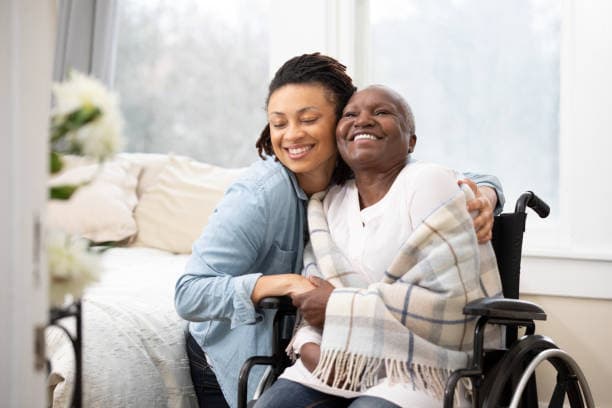
What Does a House Caregiver Do?
A house caregiver typically helps a person with daily living activities in a home-based environment. The exact duties depend on the client’s needs, the employer, state rules, and whether the caregiver is providing non-medical or medically supervised support.
Common non-medical caregiving duties may include:
Area of Support | Common Examples |
|---|---|
Personal care | Bathing support, dressing, grooming, toileting reminders |
Daily living help | Meal preparation, light housekeeping, laundry |
Mobility support | Helping someone move safely, fall prevention reminders |
Companionship | Conversation, social support, basic activity engagement |
Medication reminders | Reminding a client to take medication, where allowed |
Transportation support | Accompanying clients to appointments or errands |
Observation | Reporting changes in condition to a supervisor or family |
Caregivers generally do not perform medical procedures unless they have the required license, certification, training, and employer authorization. More clinical roles may require Certified Nursing Assistant credentials, home health aide training, or supervision from a licensed healthcare provider.
Understanding Different Caregiving Work Settings
Caregiving jobs can vary widely depending on the care setting. A caregiver working in a private home may provide one-on-one support for a single client. In Care Homes, assisted living communities, or residential care settings, caregivers may support multiple residents during a shift.
In-home caregiving is often more personal and routine-based. The caregiver may learn the client’s schedule, preferences, mobility limitations, and household expectations. By contrast, care homes may involve structured shift work, team coordination, and facility policies.
Before applying, it is helpful to understand whether the position is:
Non-medical home care
Home health care under a licensed agency
Residential care or assisted living support
Companion care
Family caregiving
Private-duty care
The U.S. Department of Health and Human Services provides caregiver resources for people supporting aging, seriously ill, or disabled individuals, while the National Institute on Aging offers information about care services for older adults living at home.
Basic Qualifications for Becoming a House Caregiver
Many entry-level caregiver jobs do not require a college degree, but employers usually look for reliability, patience, communication skills, and the ability to follow care instructions. Some employers may require a high school diploma or GED, while others may prioritize relevant experience.
Common requirements may include:
Minimum age requirement, often 18 or older
Legal authorization to work in the U.S.
Background check
Drug screening, depending on employer policy
Valid driver’s license for transportation-based roles
CPR or first aid certification, if required
State-specific caregiver training
Ability to lift, stand, bend, or assist with mobility safely
Training requirements vary by state and job type. For example, home health aides working for Medicare-certified home health agencies are generally subject to federal training standards, while non-medical caregiver requirements may depend on state rules, agency policy, and the care tasks involved. PHI notes that federal home health aide training minimums include 75 hours, though some states set higher standards.
Step-by-Step Guide: How to Become a House Caregiver
1. Learn the Difference Between Caregiver Roles
Start by understanding the job title. A companion caregiver may focus on social support, errands, and daily routines. A personal care aide may assist with bathing, dressing, and mobility. A home health aide may provide more structured care under a home health agency. A CNA may work in care homes, nursing facilities, hospitals, or home care settings depending on state rules and employer needs.
Knowing the difference helps you avoid applying for roles that require credentials you do not yet have.
2. Review State and Employer Requirements
Caregiver rules are not identical across the U.S. Some states require training hours, registration, continuing education, or agency-based instruction. Employers may also require orientation on infection control, elder abuse reporting, privacy, safe transfers, emergency procedures, and documentation.
Because requirements vary by state, candidates should check state health department, labor department, or home care licensing agency resources before assuming one training path applies everywhere.
3. Complete Basic Training
Basic caregiver training often covers safety, communication, personal care, nutrition, infection prevention, dementia awareness, fall prevention, and emergency response. Some training may be offered by employers after hiring, while other programs are available through community colleges, workforce centers, online training providers, or local care organizations.
CPR and first aid training may strengthen an application, especially for roles involving older adults, people with disabilities, or clients with chronic conditions. However, training alone does not guarantee employment.
4. Build Practical Experience
Experience can come from paid work, volunteer activities, family caregiving, or entry-level roles in care homes. For new caregivers, supervised settings may provide useful experience because they allow workers to learn documentation, client communication, and safe care routines.
Family caregiving experience can be relevant, but applicants should describe it professionally. For example, instead of saying “I helped my grandmother,” a candidate might explain that they assisted with meal preparation, appointment transportation, mobility support, and daily routine monitoring.
5. Prepare a Caregiver Resume
A caregiver resume should be clear and honest. It can include:
Prior caregiving, home care, or customer service experience
CPR, first aid, CNA, or home health aide training
Availability and transportation ability
Experience with older adults, dementia care, disability support, or personal care
Soft skills such as patience, reliability, confidentiality, and communication
Avoid overstating experience. Employers may verify training, references, and work history.
6. Apply Through Reputable Channels
Caregiver jobs may be listed through home care agencies, care homes, assisted living facilities, local job boards, hospital systems, workforce agencies, and community organizations. Some family caregivers may also explore whether state programs, Medicaid waiver programs, veterans benefits, or local aging services offer caregiver support. USA.gov notes that Area Agencies on Aging may help connect people with referrals, meal programs, day care programs, and other local resources.
When reviewing job listings, look carefully at duties, schedule, pay structure, travel expectations, training requirements, and whether the role is employee-based or independent contractor-based.
Skills That Matter in Caregiving
Caregiving requires more than physical assistance. Strong caregivers often have a balanced mix of practical, emotional, and communication skills.
Important skills include:
Patience and calm decision-making
Respect for privacy and dignity
Clear communication with clients, families, and supervisors
Ability to follow written care plans
Time management
Safe mobility assistance
Observation and reporting
Cultural sensitivity
Reliability and consistent attendance
Caregivers should also understand professional boundaries. A caregiver may become close to a client, but the role still requires confidentiality, respectful communication, and adherence to employer policies.
Caregiver Pay, Demand, and Career Outlook
Caregiver compensation varies by state, city, employer, experience, shift type, and job duties. Overnight shifts, weekend work, live-in care, or specialized dementia support may have different pay structures. Some positions offer benefits, while others are part-time or hourly without full benefits.
The U.S. Bureau of Labor Statistics tracks “home health and personal care aides” as a major occupational category. BLS data can help job seekers understand general employment trends, but local caregiver job conditions may differ by region and employer.
For long-term growth, some caregivers choose to pursue CNA training, home health aide certification, medication aide training where allowed, Licensed Practical Nurse programs, or other healthcare education. This is optional and depends on career goals, budget, state rules, and eligibility.
Questions to Ask Before Accepting a Caregiver Job
Before accepting a role, consider asking:
What are the daily duties?
Is this non-medical care or home health care?
Will training be provided?
Is travel between clients required?
Are mileage or travel time reimbursed?
What is the shift schedule?
What happens if a client’s condition changes?
Who supervises the caregiver?
Are there written care plans?
Are background checks and safety policies in place?
Is the role employee-based or contractor-based?
These questions can help applicants compare opportunities more carefully and avoid misunderstandings.
Conclusion
Becoming a house caregiver in the U.S. usually begins with understanding the type of care role, reviewing state and employer requirements, completing basic training, and applying through reputable care agencies, care homes, or local job channels. Caregiving can involve personal care, companionship, mobility support, household assistance, and communication with families or supervisors.
For readers researching Care Homes, Caregiving, Caregiver roles, or practical caregiver job guidance, the most important step is to compare requirements carefully and avoid assuming that all caregiver jobs are the same. Training, duties, pay, supervision, and eligibility can vary significantly by location and employer.
DISCLAIMER
This article provides general information only. Caregiver job requirements, training rules, pay, certification needs, and eligibility standards may vary by state, employer, care setting, and individual client needs. Readers should verify details with state agencies, licensed care providers, training organizations, or qualified professionals before making career or employment decisions.
REFERENCES
U.S. Department of Health and Human Services: Caregiver resources
National Institute on Aging: Caregiving and home-based support information
USA.gov: Disability and caregiver support resources
PHI National: Home health aide training requirements
U.S. Bureau of Labor Statistics: Home health and personal care aide occupational information