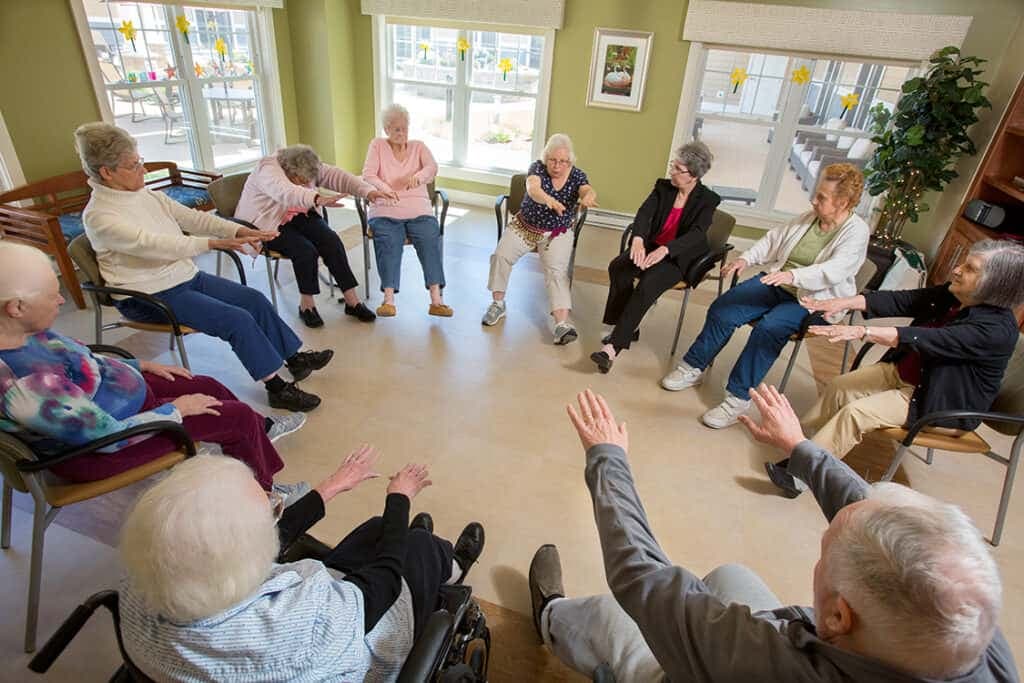
As people age, finding a safe, comfortable, and affordable place to live becomes one of the most important life decisions. This guide explains the main housing programs for seniors, how they work, and how to find help in your local area.
Understanding Housing Programs for Seniors
Housing programs for seniors are designed to meet different needs, budgets, and levels of independence. Some focus on affordable rent, others on daily support services, and some combine housing with care.
Common goals of senior housing programs include:
Providing safe and accessible living spaces
Supporting seniors who want to age in place
Offering community, social connection, and basic care
Reducing housing insecurity among low-income older adults
When people search online for phrases like senior housing near me or places for elderly to live near me, they are often looking for one of the options below.
Assisted Living Residences
Assisted living residences are ideal for seniors who are mostly independent but need help with daily tasks such as:
Medication reminders
Bathing and dressing
Meal preparation
Housekeeping
These residences offer private or semi-private apartments along with shared dining and activities. While costs can be higher than basic senior apartments, some assisted living communities accept Medicaid waivers or local assistance programs, depending on the state.
This option suits seniors who value independence but want 24/7 support nearby.
Senior Apartments and Affordable Senior Housing
Senior apartments are typically age-restricted (usually 55+ or 62+) and designed for independent living. They do not include medical care but often provide:
Accessible layouts (elevators, grab bars, ramps)
Lower rent through government or nonprofit support
Community rooms and social activities
Many low-income seniors qualify for subsidized senior housing, including:
HUD Section 202 Supportive Housing for the Elderly
Local housing authority programs
Nonprofit-run senior apartment complexes
Organizations like The Salvation Army often support or manage affordable senior housing projects, especially for seniors facing financial hardship or housing instability.
Retirement Homes and Senior Living Communities
The term retirement homes or senior living communities is broad and can include:
Independent living communities
Continuing Care Retirement Communities (CCRCs)
Faith-based or nonprofit senior residences
These communities often focus on lifestyle, social engagement, and long-term planning. While some are private and expensive, nonprofit providers may offer income-based pricing or financial assistance.
For seniors seeking community, safety, and predictable housing, these environments can be a strong option.
Home Care for Elderly Seniors Who Want to Stay at Home
Not all seniors want to move. Many prefer to remain in their own homes with extra support. Home care for elderly seniors can include:
Personal care assistance
Light housekeeping
Meal support
Companionship
Transportation help
Local agencies, Medicaid-funded programs, and nonprofit organizations often provide elderly home care services near me for qualifying seniors.
In many communities, The Salvation Army and partner agencies help connect seniors to:
In-home support services
Adult day programs
Housing stability assistance
This approach helps seniors remain independent while reducing the risk of isolation or injury.
The Salvation Army’s Role in Senior Housing and Support
The Salvation Army plays an important role in senior housing and care support across the United States. While services vary by location, many local Salvation Army programs offer:
Affordable senior housing or transitional housing
Referrals to assisted living and senior apartments
Adult day services and community centers for seniors
Case management to help seniors apply for housing and benefits
Emergency assistance for seniors at risk of homelessness
Their mission focuses on dignity, stability, and community—making them a valuable resource for seniors and caregivers alike.
How to Find Senior Housing Programs Near You
If you or a loved one is searching for senior housing options, start with these steps:
Assess needs
Consider mobility, health, income, and level of daily support required.Contact local resources
Area Agency on Aging (AAA)
Local housing authority
Nonprofit organizations like The Salvation Army
Ask about waitlists
Affordable senior housing often has waiting lists, so applying early is important.Check eligibility
Income limits, age requirements, and residency rules vary by program.Tour and compare options
When possible, visit communities to assess safety, cleanliness, and atmosphere.
Choosing the Right Option for Your Situation
There is no one-size-fits-all solution. The best housing program depends on:
Budget and income stability
Health and mobility
Desire for independence or daily support
Proximity to family and healthcare
For many seniors, combining affordable housing with community-based support services offers the best balance of independence and security.
Final Thoughts
Housing programs for seniors are about more than just a place to live—they are about safety, dignity, and quality of life. From assisted living residences to senior apartments and home care services, there are many paths available for older adults at different stages of aging.
Trusted organizations like The Salvation Army continue to play a vital role in helping seniors find stable housing and supportive care, especially for those with limited resources.
If you or a loved one are beginning this search, reaching out to local senior services and nonprofit organizations can be the first step toward a safer and more comfortable future.
Disclaimer
This article is for informational purposes only and does not constitute legal, housing, or financial advice. Program availability, eligibility requirements, and services vary by location. Always contact official housing providers or local agencies for the most current information.
References
U.S. Department of Housing and Urban Development (HUD)
Senior Housing Programs & Section 202 Supportive Housing for the Elderly
https://www.hud.gov/program_offices/housing/mfh/progdesc/eld202National Council on Aging (NCOA)
Housing Options for Older Adults
https://www.ncoa.org/article/senior-housing-optionsAdministration for Community Living (ACL)
Area Agencies on Aging & Long-Term Support Services
https://acl.gov/programs/aging-and-disability-networks/area-agencies-agingThe Salvation Army
Senior Services, Housing & Adult Day Programs
https://www.salvationarmyusa.org/usn/serve-the-elderly/Medicaid.gov
Home and Community-Based Services (HCBS) for Seniors
https://www.medicaid.gov/medicaid/long-term-services-supports/home-community-based-servicesAARP
Senior Living, Assisted Living & Aging-in-Place Resources
https://www.aarp.org/caregiving/housing-options/National Low Income Housing Coalition (NLIHC)
Affordable Housing Programs for Seniors
https://nlihc.org/explore-issues/housing-needs-by-group/seniors