What Are Food Packing Jobs?
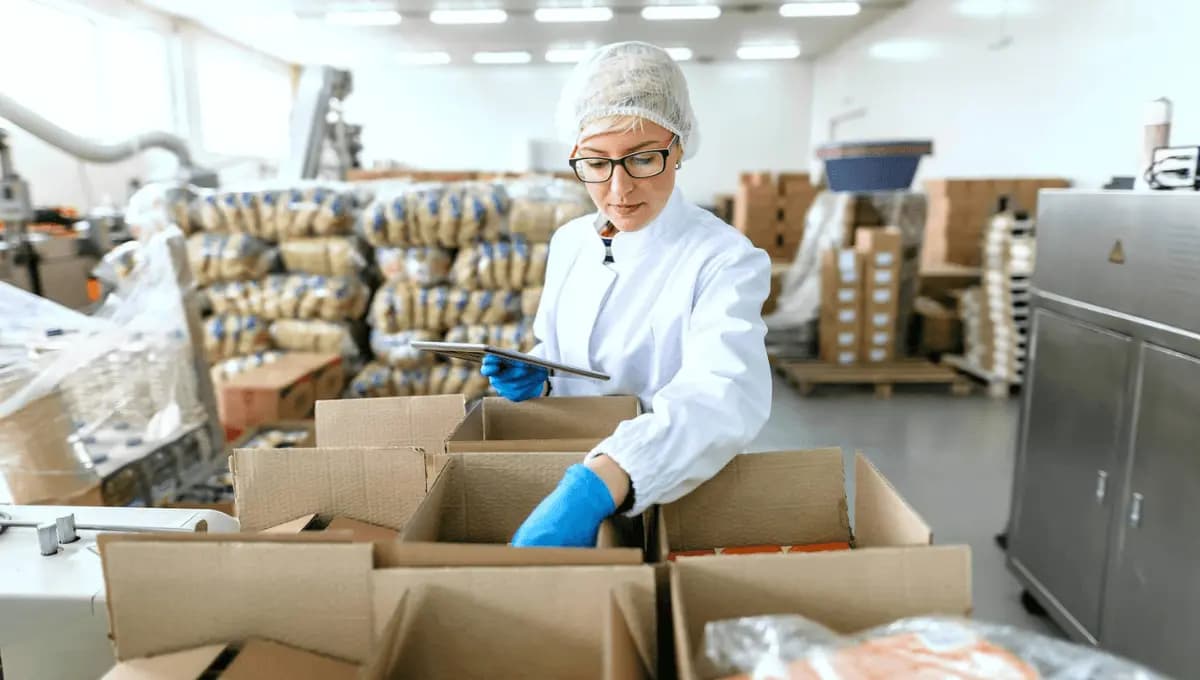
Food packing jobs generally involve preparing food products for shipment, storage, or retail sale. Workers may place items into containers, seal packages, apply labels, inspect products for defects, weigh items, stack boxes, and keep work areas clean. In some facilities, employees work on production lines where tasks are repeated at a steady pace.
These roles are often found in food manufacturing plants, farms, bakeries, meat processing facilities, produce warehouses, and logistics centers. Many positions are full-time, though seasonal, temporary, and part-time roles may also be available, especially in fruit packing jobs and agricultural operations.
Food packing work can be physically demanding. Employees may stand for long periods, lift boxes, work in cold or warm environments, and follow detailed safety procedures. However, many roles do not require a college degree, making them accessible to workers seeking practical, hands-on employment.
Common Types of Food Packing Jobs
Meat Packer Jobs
Meat packer jobs are typically found in meat processing plants, poultry facilities, butcher operations, and refrigerated warehouses. Workers may package cuts of meat, inspect products, apply labels, seal trays, stack cartons, or move products into cold storage.
These jobs often require attention to food safety, hygiene, and workplace safety rules. Because meat products are perishable, facilities may operate in cold environments and follow strict temperature controls. Some roles may require protective clothing, gloves, hair coverings, or other safety gear.
Job seekers considering meat packer jobs should review the physical requirements carefully. Duties may include repetitive movement, standing for long shifts, lifting, and working near machinery. Employers may provide training on sanitation, proper handling, and safe equipment use.
Bread Packing Jobs
Bread packing jobs are common in commercial bakeries, wholesale bakery plants, and food distribution facilities. Workers may place loaves, rolls, buns, pastries, or packaged bakery products into bags, trays, or shipping boxes. They may also inspect products for damage, check labels, organize racks, and prepare orders for delivery.
Bakery environments may be warm due to ovens and production equipment. Shifts can vary, with some facilities operating early mornings, evenings, or overnight to meet delivery schedules. Bread packing jobs may appeal to workers who prefer structured tasks and production-line environments.
Attention to detail is important because bakery products often need correct labeling, packaging dates, and careful handling to prevent crushing or damage.
Fruit Packing Jobs
Fruit packing jobs are often seasonal and may be located near farms, orchards, packing houses, or produce distribution centers. Workers may sort fruit by size, quality, or ripeness; place produce into boxes or containers; remove damaged items; and prepare shipments for grocery stores or wholesalers.
These roles may be available during harvest seasons and can vary by region. For example, citrus, apples, berries, grapes, and other crops may have different peak hiring periods. Some fruit packing jobs are indoors in packing facilities, while others may involve work near agricultural sites.
Because produce quality can affect pricing and shipping, workers may need to identify bruised, spoiled, or undersized fruit. Speed, accuracy, and careful handling are often valued in these positions.
Sugar Creek Packing Jobs
Sugar Creek packing jobs generally refer to employment opportunities connected with SugarCreek, a U.S.-based food manufacturing company known for producing packaged food products for retail and foodservice markets. Roles may vary by location and could include production, packing, sanitation, machine operation, maintenance, warehouse support, or quality assurance.
As with any company-specific job search, applicants should review current openings directly through the employer’s official careers page or recognized job platforms. Job titles, locations, shift schedules, benefits, and eligibility requirements may change over time.
When evaluating Sugar Creek packing jobs or similar food manufacturing roles, job seekers should compare the job description, pay structure, shift expectations, physical requirements, and safety procedures before applying.
Skills and Qualifications Employers May Look For
Many food packing jobs are entry-level, but employers often value reliability, punctuality, and the ability to follow instructions. Basic reading and counting skills may be required for labels, lot numbers, product codes, and order quantities.
Common qualifications may include:
Ability to stand for extended periods
Comfort with repetitive tasks
Attention to quality and cleanliness
Ability to lift boxes or packaged goods
Willingness to follow food safety rules
Teamwork and communication skills
Availability for required shifts
Some employers may require background checks, drug screening, work authorization verification, or prior warehouse or production experience. Positions involving machinery may require additional training.
Work Environment and Safety Considerations
Food packing facilities must follow food safety and workplace safety standards. Employees may be trained on sanitation procedures, handwashing, allergen controls, temperature management, and safe use of equipment.
Work environments can vary. Meat packing facilities and cold storage areas may be refrigerated. Bakeries may be warm. Produce facilities may be busy during seasonal harvest periods. Some jobs involve noise, fast-paced lines, wet floors, or heavy lifting.
Applicants should read job postings carefully and ask about protective equipment, break policies, shift length, overtime expectations, and training. A clear understanding of the work environment can help job seekers decide whether a role fits their needs and abilities.
Pay, Scheduling, and Career Pathways
Compensation for food packing jobs depends on location, employer, shift, experience, union status, and job duties. Entry-level packing roles may pay hourly wages, while experienced workers, machine operators, sanitation leads, quality control staff, or supervisors may earn higher rates.
Schedules can include first shift, second shift, third shift, weekends, or overtime during busy seasons. Seasonal fruit packing jobs may have shorter employment windows, while food manufacturing plants may offer year-round work.
Food packing can also lead to other roles in the food production industry. Workers may move into machine operation, inventory control, forklift operation, quality assurance, sanitation leadership, maintenance support, team lead roles, or warehouse coordination.
How to Compare Food Packing Job Opportunities
When comparing food packing jobs, applicants should look beyond the job title. Two positions with similar names may have different responsibilities, work conditions, and advancement potential.
Important factors to review include:
Job location and commute
Hourly pay and overtime rules
Shift schedule and required availability
Physical demands
Training provided
Safety procedures
Benefits, if available
Seasonal or permanent status
Employer reputation
Opportunities for advancement
A careful review can help job seekers avoid misunderstandings and select roles that better match their availability, physical capacity, and long-term goals.
Where to Find Food Packing Jobs
Food packing jobs may be listed on company career pages, state workforce websites, staffing agencies, local job boards, and major employment platforms. Applicants can search using terms such as “food packing jobs,” “meat packer jobs,” “bread packing jobs,” “fruit packing jobs,” “production packer,” “warehouse food packer,” or “food manufacturing associate.”
Local food manufacturers, bakeries, farms, and distribution centers may also post openings directly. In agricultural areas, seasonal produce packing jobs may be advertised through local workforce agencies or farm labor contractors.
Job seekers should use caution when applying online. Legitimate employers generally provide clear job descriptions, company information, location details, and standard hiring procedures. Applicants should be careful with listings that request unusual fees, vague personal information, or payment before employment.
Conclusion
Food packing jobs play a practical role in the U.S. food industry and may offer accessible opportunities for workers interested in production, warehouse, bakery, meat processing, or agricultural packing environments. Roles such as meat packer jobs, bread packing jobs, fruit packing jobs, and company-specific opportunities like Sugar Creek packing jobs can differ significantly by employer, location, schedule, and work conditions.
Before applying, job seekers should review each posting carefully, compare requirements, and consider the physical demands, shift structure, safety practices, and long-term potential. A thoughtful approach can help applicants identify roles that match their experience, availability, and employment goals.
Disclaimer
This article provides general information only. Job availability, pay, benefits, duties, eligibility requirements, and hiring procedures may vary by employer, location, season, and individual circumstances. Applicants should verify details directly with employers, official career pages, or relevant workforce agencies before making employment decisions.
References
U.S. Bureau of Labor Statistics — Occupational information for food processing, production, and packaging-related roles
U.S. Department of Labor — Worker rights, wage guidance, and workplace standards
Occupational Safety and Health Administration — Workplace safety standards for manufacturing, food processing, and warehousing
U.S. Food and Drug Administration — Food safety and handling guidance
USDA Food Safety and Inspection Service — Meat, poultry, and egg product safety information