Common Types of Farming Jobs
Crop and Field Work
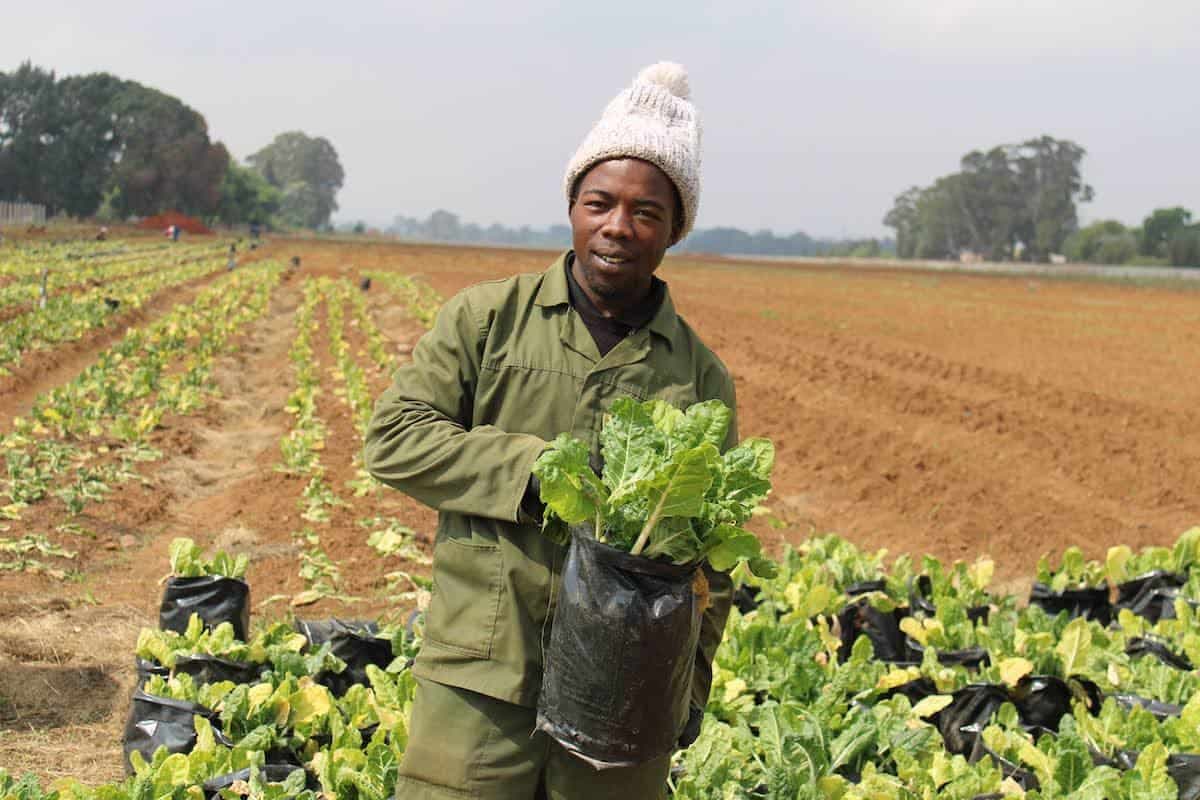
Crop-related agriculture work includes planting, irrigating, harvesting, sorting, packing, pruning, and maintaining fields. These jobs are common in fruit, vegetable, grain, nursery, and greenhouse operations. Many farm workers in crop production need physical stamina, attention to safety, and the ability to work outdoors in changing weather conditions.
Some jobs are seasonal, especially during planting and harvest periods. Others may be year-round, particularly in greenhouse, nursery, and large-scale farm operations.
Dairy Farm Jobs
Dairy Farm Jobs often involve caring for cows, cleaning stalls, feeding animals, operating milking equipment, monitoring herd health, and maintaining sanitary conditions. Dairy farms may operate on early morning, evening, weekend, or rotating schedules because animals require daily care.
Entry-level dairy roles may provide on-the-job training, while more advanced positions may require experience with animal handling, milking systems, breeding records, or herd management software. Workers interested in Dairy Farm Jobs should be comfortable around large animals and follow safety procedures carefully.
Cattle Work and Livestock Jobs
Cattle work may include feeding, herding, checking water systems, maintaining fences, assisting with vaccinations, sorting animals, and supporting calving or breeding operations. Ranch and livestock jobs often require patience, observation skills, and safe handling practices.
Some positions may involve horseback riding, utility vehicles, trailers, or farm machinery. Experience is helpful, but many employers may train reliable workers for basic farm duties.
Farm Driving Jobs and Equipment Operation
Farm driving jobs can include operating tractors, trucks, harvesters, feed trucks, forklifts, or other agricultural equipment. These roles may require a valid driver’s license, a clean driving record, or a commercial driver’s license depending on the vehicle and state requirements.
Agricultural equipment operators earned a median annual wage of $42,580 in May 2024, higher than some general farm worker categories, according to BLS data.
Skills Employers Often Look For
Many farming jobs do not require a college degree, but employers usually value reliability, punctuality, physical fitness, and willingness to learn. Common skills include basic equipment awareness, animal handling, teamwork, communication, and the ability to follow safety instructions.
For more specialized agriculture work, useful experience may include irrigation systems, mechanical repair, pesticide handling, livestock care, recordkeeping, or operating farm machinery. Some roles may require certifications, especially where chemicals, heavy vehicles, or regulated equipment are involved.
Work Conditions and Safety Considerations
Farm workers may work outdoors in heat, cold, rain, dust, or physically demanding environments. Jobs can involve lifting, bending, standing for long periods, using sharp tools, working near machinery, or handling animals.
Safety training is important. Workers should understand proper equipment use, hydration, heat illness prevention, protective gear, and emergency procedures. OSHA provides agricultural safety information, and employers may have additional workplace requirements depending on the farm type.
Seasonal, Full-Time, and Temporary Farm Work
Farming jobs may be full-time, part-time, seasonal, or temporary. Harvest seasons often create short-term labor demand, while dairy, livestock, greenhouse, and equipment maintenance roles may provide more consistent year-round work.
The USDA Economic Research Service notes that the U.S. agricultural workforce includes both self-employed farm operators and hired workers, with mechanization shaping long-term labor demand.
For temporary agricultural roles, some U.S. employers use the H-2A program when they meet federal requirements. The U.S. Department of Labor states that H-2A employers must first attempt to find U.S. workers and must meet rules related to wages, housing, transportation, and guaranteed work hours.
How to Compare Farming Job Opportunities
When reviewing agricultural farming jobs, workers may want to compare several practical factors:
Pay structure, including hourly wages, overtime rules, piece-rate work, or bonuses.
Schedule, including early mornings, weekends, seasonal peaks, and expected hours.
Housing or transportation, especially for remote farms or temporary positions.
Job duties, such as crop work, cattle work, dairy tasks, equipment operation, or farm driving jobs.
Safety practices, training, protective equipment, and supervision.
Location, since farm work opportunities vary by state, crop type, and season.
Because agriculture work can differ widely between employers, it is useful to read job descriptions carefully and ask questions before accepting a role.
Career Growth in Agriculture Work
Entry-level farm workers may move into equipment operation, crew leadership, livestock management, irrigation work, maintenance, logistics, or farm supervision. Workers with mechanical skills, animal care experience, or commercial driving qualifications may have broader options.
Some people also use farm work as a foundation for careers in agricultural technology, food production, supply chain operations, farm management, or agribusiness. While overall employment for agricultural workers is projected to decline 3 percent from 2024 to 2034, BLS still projects about 116,200 openings each year on average due to worker replacement needs.
Conclusion
Farming jobs in the USA include a broad mix of crop, livestock, dairy, driving, equipment, and general farm worker roles. Dairy Farm Jobs, cattle work, farm driving jobs, and other agriculture work can suit people who prefer hands-on duties, outdoor environments, and practical skills-based employment.
Before applying, workers should review job duties, pay terms, safety conditions, schedules, housing arrangements, and any license or experience requirements. A careful comparison can help job seekers understand which agricultural farming jobs best match their skills and availability.
Disclaimer
This information is general and for educational purposes only. Job duties, pay, eligibility requirements, housing, transportation, and employment conditions may vary by employer, state, season, and individual circumstances.
References
U.S. Bureau of Labor Statistics, Occupational Outlook Handbook: Agricultural Workers.
USDA Economic Research Service: Farm Labor.
U.S. Department of Labor, Wage and Hour Division: H-2A Temporary Agricultural Employment.