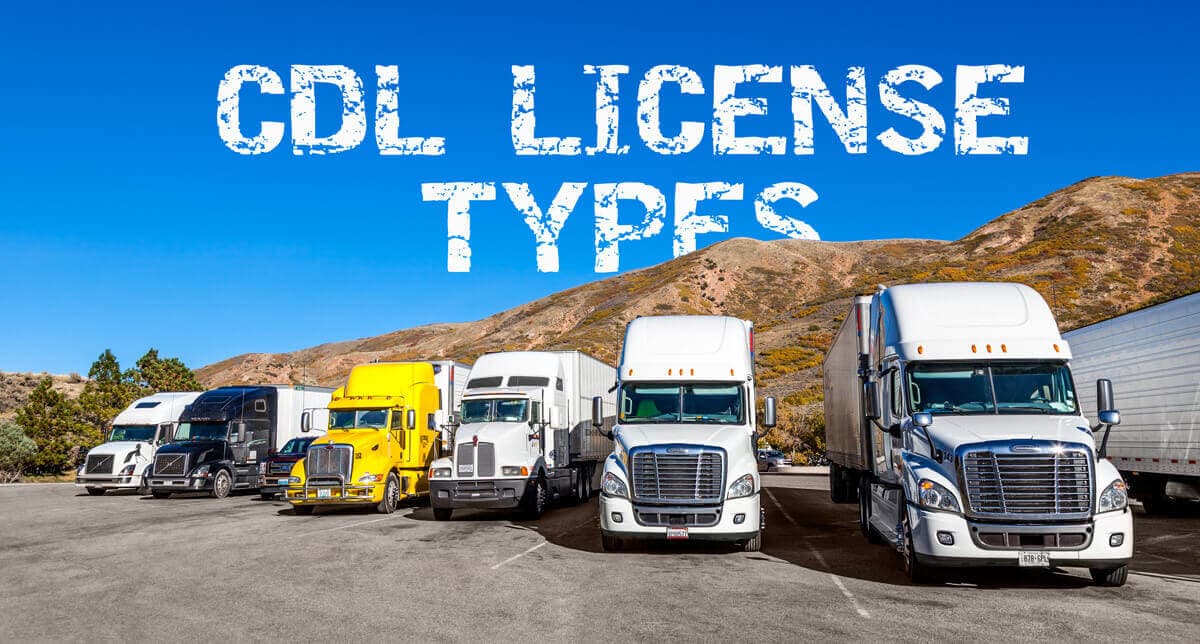
⭐ Why CDL Careers Are in Demand
Transportation continues to be one of the most essential and consistently hiring industries in the United States. Professional truck drivers play a critical role in keeping supply chains moving — from food and consumer goods to industrial materials.
As public interest in CDL training grows, people often search for cost-effective training options including:
🔑 Paid CDL Training Nearby
🔑 Government-Sponsored CDL Programs
🔑 CDL Class A Paid Training Near Me
🔑 FedEx Freight Driver Development Course
This guide explains how CDL training programs generally work and what applicants should consider before enrolling.
🚚 CDL Career Training Overview
What is a CDL?
A Commercial Driver’s License (CDL) allows a qualified driver to legally operate commercial vehicles. The Class A CDL is the most versatile license type — commonly required for:
Tractor-trailers
Combination vehicles used for freight transport
Applicants must complete Entry-Level Driver Training (ELDT) from an FMCSA-approved provider and pass both knowledge and skills exams issued by their state licensing authority.
Government-Sponsored CDL Programs
Some U.S. workforce development initiatives may help reduce CDL training costs for eligible individuals. These programs exist to support job seekers and strengthen labor supply in essential industries.
Support Type | Purpose | Availability |
|---|---|---|
Workforce Training Grants (e.g., WIOA-related programs) | Help offset CDL tuition | Based on eligibility and location |
State Career Transition Programs | Assist individuals changing fields | Varies by state and job market |
Veteran Education Benefits | Support eligible service members | Governed by federal VA guidelines |
Community Scholarships | Additional support when available | Limited and competitive |
Important: Funding is not guaranteed and depends on qualification review, state workforce budgets, and program capacity.
Employer-Supported & Paid CDL Training
Some transportation companies offer CDL training connected to future employment opportunities.
These programs may include:
Low or reduced out-of-pocket training costs
Full completion required to remain eligible
On-the-road mentorship with experienced drivers
Applicants should always:
✔ Request all program details in writing
✔ Review any commitment agreement before signing
✔ Ask about repayment terms if leaving early
✔ Verify that training meets ELDT standards
Terms differ by employer, region, and hiring needs.
Example: FedEx Freight Driver Development
FedEx Freight has publicly shared that it offers structured training opportunities for eligible candidates based on business and regional needs.
Training goals generally include:
Safe commercial vehicle operation
Professional freight handling procedures
Skills development with qualified trainers
⚠️ Enrollment, benefits, and hiring outcomes vary — applicants must confirm current details directly via official FedEx Freight channels.
Note: Information provided here is educational only. Program participation does not guarantee job placement or long-term employment.
How to Compare CDL Training Options
Before choosing a CDL school or employer-linked program, applicants should ask:
📌 Is the school listed in the FMCSA Training Provider Registry?
📌 Which expenses are covered and which are self-funded?
📌 Does the program include test preparation and behind-the-wheel training?
📌 Are job opportunities conditional? If yes, what are the terms?
📌 Are there repayment requirements tied to employment?
Clear written documentation is essential. Avoid signing contracts you do not fully understand.
Application & Training Steps
1️⃣ Qualification
Age, residency, medical screening, license check
2️⃣ Connect with approved providers
Ask about schedules, fees, available funding, testing support
3️⃣ Complete ELDT classroom + skills instruction
Federal rules, safety training, supervised driving
4️⃣ Take state CDL exams
Knowledge and skills evaluation
⏱️ Timelines vary: many Class A training programs take several weeks, depending on scheduling and learner progress.
Frequently Asked Questions (FAQ)
Are paid CDL training programs available everywhere?
No. Availability depends on employer needs and state workforce resources.
Do government programs fully cover CDL training costs?
Not always. Support may only partially reduce expenses.
Is any job guaranteed after training?
No. Hiring depends on eligibility, performance, and market demand.
Is CDL training suitable for older beginners?
Yes. There is no upper age limit, as long as DOT medical requirements are met.
Smart Planning for a Professional Driving Career
Success in transportation requires:
✔ Commitment to safety
✔ Respect for regulations and compliance standards
✔ Continuous skill improvement
Truck driving is a profession that supports national logistics and community stability. Individuals entering this field should be prepared to uphold professional driving standards every day.
Disclaimer
This information is provided for educational and general guidance only. CDL program availability, requirements, tuition assistance, and future employment opportunities vary by provider, employer demand, and state regulations. Always verify details directly with licensed CDL schools, workforce agencies, and official training providers. Completion of CDL training does not guarantee licensing approval, income, or job placement.