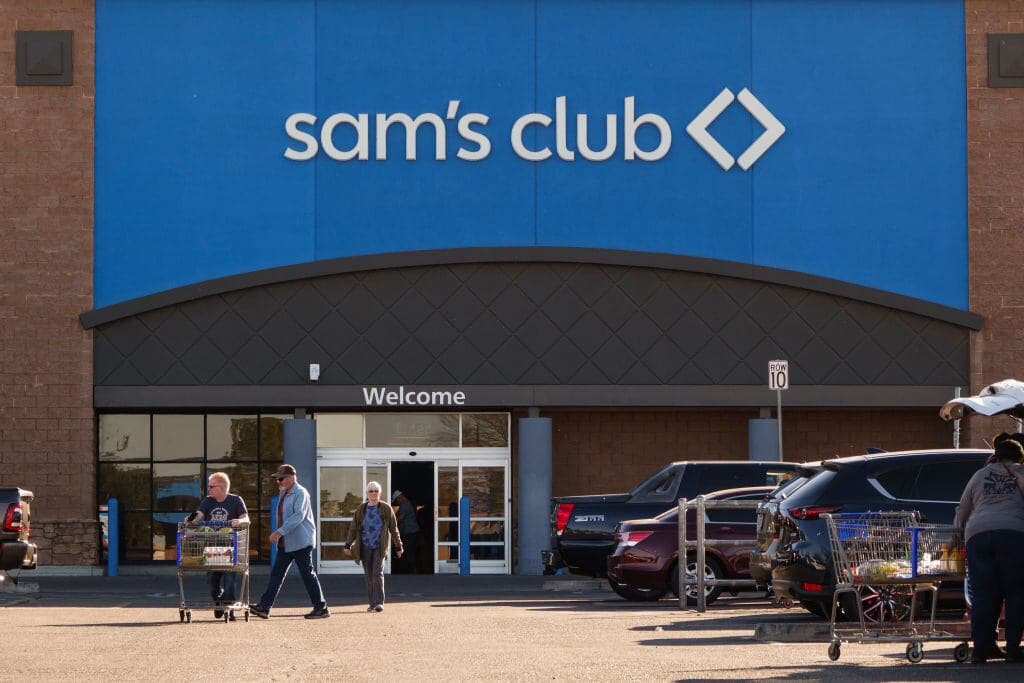
Understanding What “Sam’s Club Car Insurance” May Mean
The phrase “Sam’s Club car insurance” can mean different things depending on the user’s intent. Some people may be searching for a direct insurance product under the Sam’s Club brand. Others may be looking for member-related auto services, car-buying tools, or ways to manage the overall cost of owning a vehicle.
The most important point is that auto-related services and auto insurance are not the same thing. A vehicle-buying program can help with researching and purchasing a car, while an insurance policy is a separate financial contract that helps protect against certain losses related to driving, liability, or vehicle damage.
When reviewing any Sam’s Club auto-related offer, drivers should ask:
Is this an insurance policy or an auto-shopping service?
Who provides or administers the service?
Are there third-party partners involved?
Are there state-specific eligibility or availability limits?
Does the offer include insurance coverage, or does it only support vehicle research or purchase decisions?
This distinction helps prevent confusion and supports more accurate comparison shopping.
How Auto Insurance Usually Works in the U.S.
Auto insurance is regulated mainly at the state level, which means requirements vary depending on where the vehicle is registered. The National Association of Insurance Commissioners explains that auto insurance can be confusing and encourages consumers to review different coverage types, pricing factors, and comparison tools before buying a policy.
Most car insurance policies are built around several coverage categories:
Coverage Type | What It Generally Helps Cover | Notes |
|---|---|---|
Bodily injury liability | Injuries to other people when the insured driver is at fault | Often required by state law |
Property damage liability | Damage to another person’s vehicle or property | Often required by state law |
Collision | Damage to the insured vehicle from a crash with another vehicle, object, pothole, or rollover | Often optional unless required by a lender or lease |
Comprehensive | Non-collision losses such as theft, hail, windstorm, flood, fire, or animal impact | Often optional unless required by a lender or lease |
Uninsured/underinsured motorist | Certain losses caused by a driver with no insurance or insufficient insurance | Required or optional depending on state |
Collision and comprehensive coverage are commonly associated with “full coverage,” but that term is not a single standardized legal definition. NAIC materials describe collision as coverage for damage from crashes or similar events, while comprehensive reimburses for many types of non-collision damage.
What “Full Coverage” Usually Means
Many drivers compare car insurance using the phrase “full coverage.” In everyday use, this usually means a policy that includes liability coverage, collision coverage, and comprehensive coverage. It may also include other protections depending on the state and insurer.
However, drivers should not assume that every “full coverage” policy is identical. Two policies may both be called full coverage but differ in:
liability limits
deductibles
rental reimbursement
roadside assistance
medical payments or personal injury protection
uninsured or underinsured motorist coverage
exclusions and claim rules
For a newer, financed, or leased vehicle, collision and comprehensive may be required by the lender or lease agreement. For an older paid-off vehicle, the decision may depend on the vehicle’s value, the premium, and the driver’s ability to handle repair or replacement costs.
How to Compare Auto Insurance Quotes
When comparing auto insurance quotes, the monthly premium is only one part of the decision. A lower premium may reflect lower limits, higher deductibles, fewer optional coverages, or a different claims structure.
A practical quote comparison should include:
Coverage limits
Check how much liability protection is included.Deductibles
Higher deductibles may lower premiums but increase out-of-pocket costs after a claim.Collision and comprehensive
Confirm whether both are included if you are comparing full coverage.State requirements
Make sure the quote meets the minimum requirements for your state.Vehicle value
Consider whether the car’s market value justifies optional physical damage coverage.Claims and service reputation
Price matters, but customer service and claim handling can also affect the overall experience.
NAIC consumer tools encourage shoppers to look beyond premium alone and review policy details carefully before changing or choosing an insurer.
Military Car Insurance
Military car insurance is an important topic for active-duty service members, veterans, and military families, but it should be understood carefully. It is not usually a single government-backed auto insurance product. Instead, the phrase often refers to policies, discounts, or coverage considerations offered by insurers to eligible military-affiliated drivers.
Military households may have unique insurance needs, such as:
vehicle storage during deployment
address changes after relocation
multi-state registration questions
coverage for a spouse or family member
discounts for military affiliation where available
flexible billing or policy changes during active service
When comparing military car insurance options, drivers should confirm eligibility directly with the insurer and review whether any discount or program applies to their state, service status, vehicle, and driving profile. The best option may come from a military-focused insurer, a national insurer with military discounts, or a standard auto insurer that offers strong pricing for the driver’s specific situation.
For AFS-safe content, it is important not to describe military car insurance as a guaranteed benefit, universal discount, or federal program unless the insurer or government source clearly supports that claim.
How to Evaluate the Best Auto Insurance Companies
The phrase best auto insurance companies appears often in search behavior, but there is no single best insurer for every driver. A company that works well for one household may not be the right fit for another because pricing and coverage depend on state, driving history, vehicle type, credit-based insurance factors where permitted, claims history, and selected coverage.
When comparing insurers, drivers may want to review:
Factor | Why It Matters |
|---|---|
Financial strength | Helps assess the insurer’s ability to pay claims |
State availability | Not all insurers operate equally in every state |
Coverage options | Some insurers offer more add-ons or flexibility |
Discounts | Savings may depend on eligibility and state rules |
Claims process | Service quality can matter after an accident |
Complaint data | State insurance departments may publish consumer complaint information |
Quote transparency | Clear quotes reduce comparison mistakes |
Rather than choosing only by brand name, drivers should compare policies using the same coverage limits, deductibles, drivers, vehicles, and garaging address.
What Affects Car Insurance Cost
Auto insurance pricing depends on many variables. Common factors may include:
state and ZIP code
driving record
vehicle make, model, and age
annual mileage
coverage limits
deductible choices
prior claims
household drivers
credit-based insurance information where allowed
discount eligibility
Because these factors vary widely, a policy that seems affordable for one driver may be expensive for another. This is why personal quotes matter more than national averages or general brand claims.
Sam’s Club Auto Services vs. Auto Insurance
Sam’s Club’s public Auto Buying Program materials focus on vehicle research and purchase support through TrueCar. The help-center page describes searching and comparing new or used cars, seeing what others paid, and receiving upfront offers from local Certified Dealers.
These services may be useful for the vehicle-shopping process, but they do not replace auto insurance. A driver who buys or leases a vehicle still needs to arrange appropriate insurance coverage according to state law, lender requirements, and personal risk tolerance.
This means a complete vehicle ownership decision may involve several separate steps:
Researching the vehicle
Comparing purchase or lease terms
Confirming financing or payment structure
Choosing an auto insurance policy
Reviewing maintenance, tire, and service needs
Sam’s Club may be relevant to some of these steps, but insurance should still be evaluated through licensed insurers or authorized insurance channels.
Common Mistakes to Avoid
When researching Sam’s Club car insurance or broader car insurance options, common mistakes include:
assuming an auto-buying program is the same as insurance
comparing quotes with different deductibles
focusing only on the lowest monthly premium
not checking state minimum requirements
forgetting lender or lease insurance requirements
overlooking uninsured motorist coverage
assuming military discounts apply automatically
using “full coverage” without checking what is included
Avoiding these mistakes can help drivers make a clearer and more informed decision.
Practical Checklist Before Choosing a Policy
Before choosing car insurance, review this checklist:
Confirm whether the offer is an insurance policy or an auto service.
Check state minimum coverage requirements.
Compare quotes using the same limits and deductibles.
Confirm whether collision and comprehensive are included.
Review military, safe-driver, bundling, or membership-related discounts where applicable.
Read exclusions and policy documents.
Check the insurer’s complaint record or reputation.
Make sure the policy fits the vehicle’s value and the household budget.
Conclusion
A search for Sam’s Club car insurance or Sam’s Club auto insurance often reflects a broader interest in vehicle ownership, insurance comparison, and cost management. Sam’s Club publicly offers auto-related member services such as its Auto Buying Program powered by TrueCar, but drivers should verify whether any specific offer is an insurance policy, a referral, or a vehicle-shopping service.
More broadly, auto insurance decisions should be based on coverage needs, state requirements, deductibles, vehicle value, and insurer reliability. Whether a driver is comparing standard car insurance, military car insurance, or the best auto insurance companies for their situation, the safest approach is to compare policy details carefully and avoid relying on brand names or headline pricing alone.
Disclaimer
This article is for general informational purposes only and does not provide legal, financial, or insurance advice. Auto insurance products, pricing, coverage availability, discounts, and eligibility requirements vary by insurer, state, vehicle, driving profile, and individual circumstances. Always verify current details directly with licensed insurers, official provider materials, or your state insurance department before making a decision.
References
Sam’s Club Help Center — Sam’s Club Auto Buying Program, powered by TrueCar.
Sam’s Club / TrueCar Auto Buying Program disclosure.
National Association of Insurance Commissioners — Auto Insurance consumer resources.
NAIC Consumer’s Guide to Auto Insurance.
NAIC Consumer Shopping Tool for Auto Insurance.