In this guide, you can understand which type of coverage may fit a household’s budget, age, health profile, and financial obligations.
What Life Insurance Is Designed to Do
Life insurance generally provides a death benefit to beneficiaries, such as a spouse, children, relatives, or another named person or entity. According to the National Association of Insurance Commissioners, term life insurance covers a specific period and pays beneficiaries if the insured dies during that term.
People commonly use life insurance to help with:
Common Need | How Life Insurance May Help |
|---|---|
Income replacement | May help beneficiaries manage living expenses after a loss |
Mortgage or rent support | May help cover housing-related costs |
Childcare or education | May support dependents’ future needs |
Debt obligations | May help with certain outstanding financial responsibilities |
Final expenses | May help cover funeral or burial-related costs |
Estate planning | May be used as part of broader financial planning |
The right amount of coverage depends on income, debts, dependents, existing savings, employer benefits, and long-term goals. Because policy terms vary, consumers should read policy documents carefully before relying on any estimate or illustration.
Term Life Insurance
Term life insurance is often considered the simplest form of coverage. It is purchased for a specific period, such as 10, 20, or 30 years, and generally pays a death benefit only if the insured dies during the policy term. The NAIC notes that term life is intended to provide lower-cost coverage for a specific period.
Many consumers search for Affordable term life insurance because term coverage may offer a higher death benefit for a lower initial premium than permanent life insurance. This can make it useful for families who want coverage during high-responsibility years, such as while raising children or paying a mortgage.
When comparing Best term life insurance companies, it is safer to avoid relying only on advertising claims. Instead, consumers may review:
Financial strength ratings from recognized rating agencies
Policy term lengths available
Conversion options to permanent coverage
Renewal rules after the initial term
Medical exam or no-exam underwriting requirements
Exclusions, limitations, and rider availability
Some term policies are renewable, but premiums may increase after the initial term. The NAIC buyer’s guide advises consumers to ask what premiums will be before renewal and whether the right to renew ends at a certain age.
Whole Life Insurance Policy
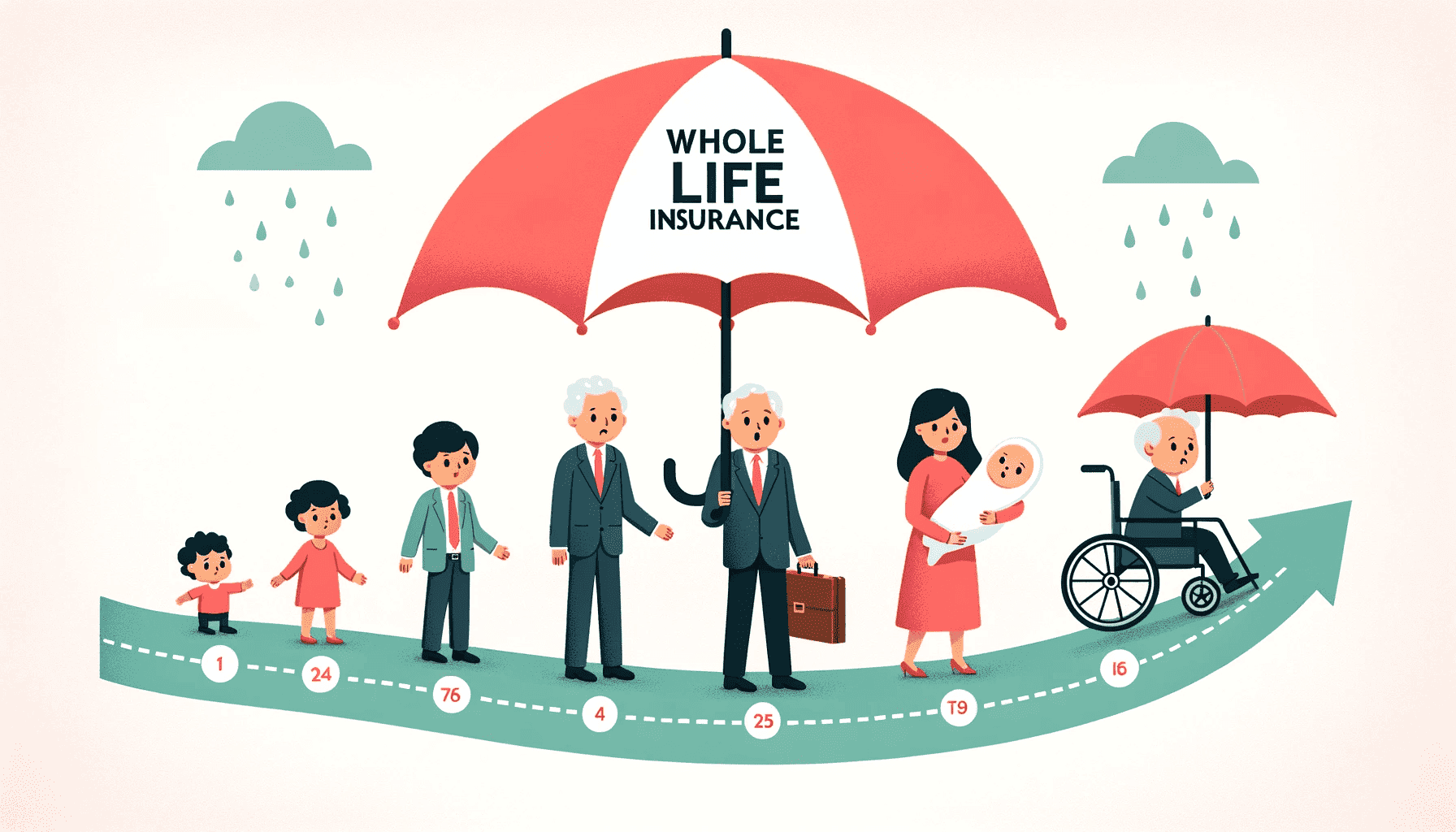
A whole life insurance policy is a type of permanent life insurance. Unlike term insurance, permanent life insurance is generally designed to provide coverage for life as long as required premiums are paid. The Insurance Information Institute explains that whole life or permanent insurance pays a death benefit whenever the policyholder dies, subject to policy terms.
Whole life insurance typically includes:
A guaranteed death benefit, subject to policy conditions
Fixed or predictable premiums in many traditional policies
Cash value that may grow over time
Possible dividends in some participating policies, though dividends are not guaranteed
Whole life insurance may be considered by people who want long-term coverage rather than temporary protection. However, it is usually more expensive than term life insurance for the same initial death benefit. Consumers should also understand that cash value growth, policy loans, surrender charges, and guarantees can vary widely by provider and contract.
A whole life policy may be appropriate for some long-term planning situations, but it is not automatically better than term life. The better fit depends on budget, age, health, dependents, and financial objectives.
Life Insurance for Families
People searching for Best life insurance for families are often trying to protect household income and future expenses. For families, life insurance planning may involve more than one person. A working parent, stay-at-home parent, or co-signer on a mortgage may all create financial responsibilities that should be considered.
Key family planning questions include:
How much income would need to be replaced?
How many years of support would dependents need?
Are there mortgage, auto loan, or student loan obligations?
Are college or childcare costs part of the planning goal?
Does the household already have employer-provided life insurance?
Would one policy be enough, or should both adults consider coverage?
Employer-provided life insurance can be helpful, but it may be limited and may not continue after changing jobs. Families comparing the best life insurance companies should look beyond brand recognition and review policy details, underwriting rules, complaint history, and the insurer’s financial stability.
Life Insurance for People Over 50 and Seniors
Searches for over 50s life insurance and cheap life insurance for seniors often come from people looking for coverage later in life. At older ages, premiums are generally higher because age and health are major underwriting factors. Coverage options may include term life, guaranteed issue life, final expense insurance, or permanent policies, depending on eligibility.
For people over 50, the main planning goal matters. Some may want coverage until retirement. Others may want a smaller policy for final expenses. Some may want to leave money to a spouse, children, or charity.
Important considerations for older applicants include:
Whether a medical exam is required
Whether coverage has a waiting period
Whether premiums can increase
Whether the death benefit is graded during the first few years
Whether the policy can be cancelled or reduced
Whether the premium fits a fixed retirement income
The phrase “cheap” should be used carefully. A low monthly premium may also mean a lower death benefit, limited eligibility, waiting periods, or fewer features. For seniors, affordability should be evaluated together with policy value and long-term ability to keep premiums current.
Understanding Life Insurance Quotes
Life insurance quotes are estimates of what a policy may cost based on information such as age, gender, health, tobacco use, coverage amount, term length, and policy type. A quote is not always a final premium. The final rate may change after underwriting, medical records, a health questionnaire, or a medical exam.
When reviewing quotes, consumers should compare the same policy type and coverage amount. For example, comparing a 20-year term policy with a $500,000 death benefit against a whole life policy with the same death benefit may not be a direct comparison because the structure and duration are different.
A practical comparison should include:
Factor | Why It Matters |
|---|---|
Coverage amount | Determines the death benefit available to beneficiaries |
Policy duration | Term coverage ends after a set period; permanent coverage may last longer |
Premium structure | Some premiums are fixed; others may change |
Underwriting type | Medical exam, simplified issue, or guaranteed issue may affect cost |
Riders | Optional benefits may increase premiums |
Renewal or conversion options | Can affect flexibility later |
Exclusions and waiting periods | May limit when or how benefits are paid |
MetLife Life Insurance
MetLife is a well-known insurance and employee benefits company in the U.S. Its life insurance information describes term life insurance as an option that may help cover specific financial responsibilities, such as a mortgage or college expenses, and may supplement a permanent policy. MetLife’s official term life page also notes that its group term life insurance is issued by Metropolitan Life Insurance Company.
For consumers researching MetLife Life Insurance, it is important to distinguish between individual products and employer-sponsored group benefits. Some MetLife life insurance options may be available through workplace benefits rather than direct individual purchase. Availability, coverage amounts, portability, underwriting, and costs can vary by employer plan, state, and eligibility rules.
When evaluating MetLife or any insurer, consumers may want to review:
Whether the policy is individual or employer-sponsored
Whether coverage can continue after leaving a job
Whether supplemental coverage is available for a spouse or dependents
Whether evidence of insurability is required
Policy exclusions, limits, and conversion options
Total cost compared with similar coverage from other providers
MetLife may be one option to compare, but the appropriate policy depends on the applicant’s needs, budget, and eligibility.
How to Compare the Best Life Insurance Companies
The phrase best life insurance companies can be subjective. A company that is suitable for a healthy 35-year-old parent may not be the best fit for a 62-year-old applicant seeking final-expense coverage. Rather than relying on a single ranking, consumers can compare insurers using several practical criteria.
A reliable review process may include:
Financial strength
Life insurance is a long-term contract, so financial stability matters.Policy fit
Review whether the insurer offers term, whole life, universal life, or final-expense options that match your goal.Underwriting flexibility
Some applicants may qualify for better pricing with full underwriting, while others may need simplified options.Transparency
Clear explanations of premiums, exclusions, renewal rules, and cash value features are important.Customer service and claims process
Beneficiaries should be able to understand how to file a claim and what documents are required.
Conclusion
Life insurance can play an important role in household financial planning, but the right policy depends on individual circumstances. Affordable term life insurance may be useful for families who need coverage during specific years, while a whole life insurance policy may fit some people who want long-term protection and cash value features. Those searching for cheap life insurance for seniors or over 50s life insurance should carefully review eligibility, waiting periods, benefit amounts, and long-term premium affordability.
When comparing life insurance quotes, consumers should look beyond monthly cost and evaluate policy type, coverage duration, underwriting rules, exclusions, and insurer strength. Whether reviewing MetLife Life Insurance or comparing the best term life insurance companies, the safest approach is to match the policy to the financial need rather than choosing based only on price or brand name.
DISCLAIMER
This article is for general informational purposes only and does not provide financial, legal, tax, or insurance advice. Life insurance products, pricing, availability, underwriting requirements, and benefits vary by provider, state, age, health status, and eligibility. Consumers should review official policy documents and consult a licensed insurance professional before making a decision.
REFERENCES
National Association of Insurance Commissioners — Life Insurance Consumer Guide.
NAIC Life Insurance Buyer’s Guide.
Insurance Information Institute — Life Insurance Basics.
MetLife — Life Insurance Solutions and Term Life Insurance information.
LIMRA — 2024 Insurance Barometer Study and life insurance coverage gap research.