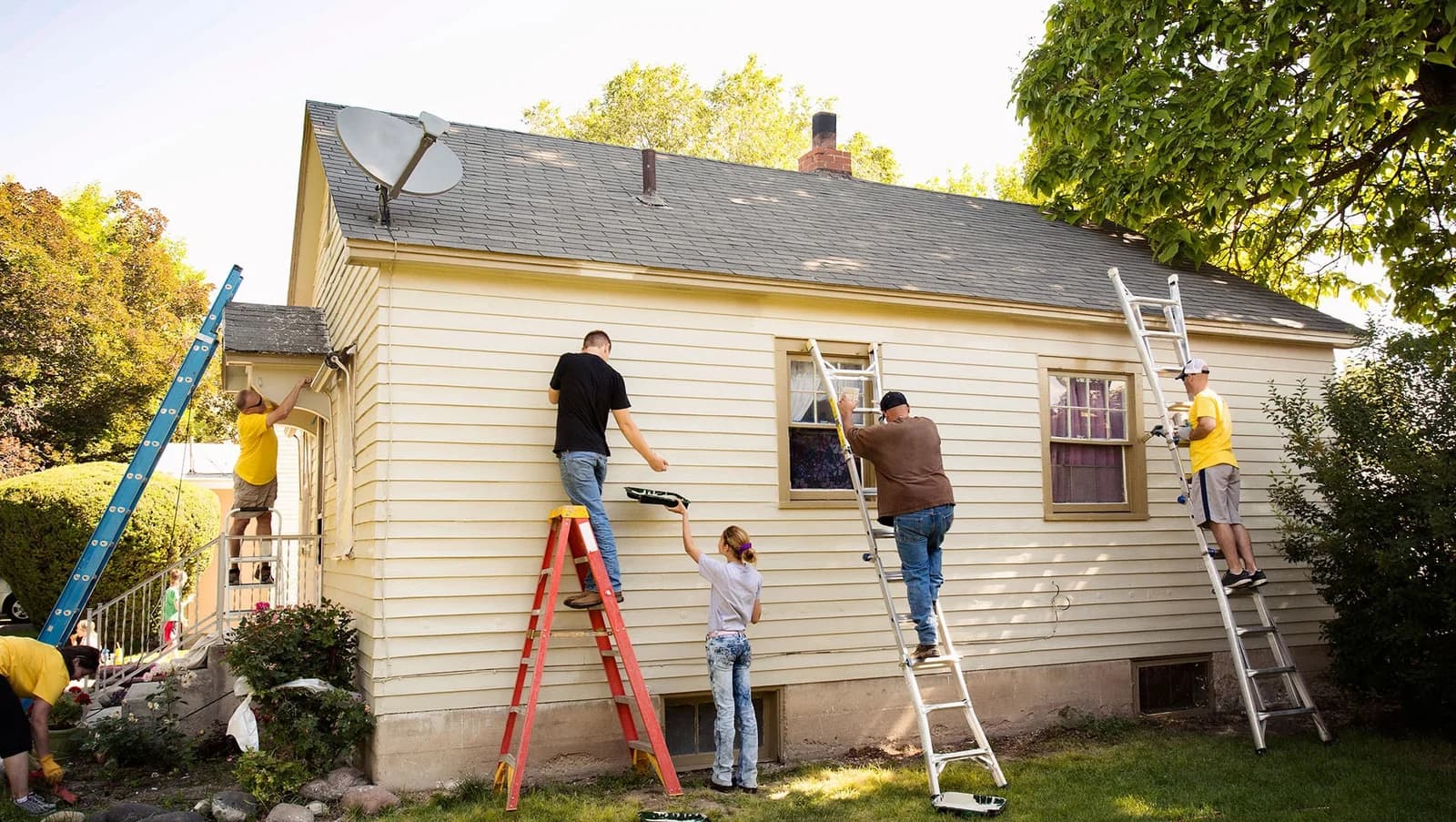
Understanding Veteran Home Repair Grants
The phrase “veteran home repair grants” can refer to several different types of assistance. Some programs are specifically for veterans. Others are broader housing repair programs that veterans may qualify for based on income, age, disability status, location, or homeownership.
In general, home repair assistance may come from:
Federal agencies
State or local housing departments
Veterans service organizations
Nonprofit housing groups
Community development agencies
Rural housing programs
Some programs provide grants that do not need to be repaid if requirements are met. Others provide low-interest loans, forgivable loans, deferred-payment loans, or services delivered directly through approved contractors. Because program rules vary, veterans should carefully review eligibility, repayment conditions, documentation requirements, and funding availability before applying.
VA Disability Housing Grants for Disabled Veterans
One of the most important resources for home repair grants for disabled veterans is the U.S. Department of Veterans Affairs. The VA offers adapted housing grants for qualifying veterans and service members with certain service-connected disabilities.
These grants are generally intended to help eligible veterans buy, build, or modify a home to improve accessibility and independent living. Examples of possible modifications may include wheelchair ramps, wider doorways, adapted bathrooms, improved access routes, or other changes that help the home meet the veteran’s physical needs.
Common VA adapted housing grant categories include:
Specially Adapted Housing Grant
The Specially Adapted Housing grant is designed for veterans or service members with qualifying serious service-connected disabilities. It may help with building, buying, or adapting a home. This program is often relevant for veterans who need major accessibility changes because of mobility limitations, loss of use of limbs, certain burns, or other qualifying conditions.
Special Housing Adaptation Grant
The Special Housing Adaptation grant may help eligible veterans adapt a home they or a family member own or will own. It is generally intended for specific disability-related housing needs and may be used for certain accessibility improvements.
Temporary Residence Adaptation Grant
The Temporary Residence Adaptation grant may help eligible veterans make accessibility changes to a family member’s home where they are temporarily living. This can be useful when a veteran does not own the residence but still needs disability-related modifications.
Veterans interested in these programs should begin with the VA’s official housing assistance resources and confirm current grant limits, eligibility requirements, and application steps.
USDA Section 504 Home Repair Program
Veterans who live in eligible rural areas may also want to review the USDA Single Family Housing Repair Loans and Grants program, commonly known as the Section 504 Home Repair program. This program is not limited to veterans, but veterans may qualify if they meet the program’s income, location, ownership, and repair-related requirements.
The program may help very-low-income homeowners repair, improve, or modernize their homes. Grants may be available for elderly very-low-income homeowners to remove health and safety hazards. Loans may also be available for eligible homeowners who need repairs but do not qualify for grant-only assistance.
This type of program may be relevant for repairs such as unsafe electrical systems, damaged roofing, plumbing problems, accessibility issues, or other conditions that affect basic health and safety. Since eligibility depends heavily on location and income, applicants should use USDA Rural Development resources or contact a local USDA office before assuming they qualify.
State and Local Veteran Home Improvement Programs
Many home improvement grants for veterans are administered at the state, county, or city level. These programs may be funded through housing trust funds, community development block grants, veterans affairs offices, or local nonprofit partnerships.
State and local programs may help with:
Emergency home repairs
Accessibility modifications
Weatherization
Roof replacement
Heating and cooling repairs
Bathroom safety updates
Code compliance repairs
Energy-efficiency improvements
Eligibility can vary widely. Some programs prioritize disabled veterans, senior veterans, low-income households, or homeowners facing urgent health and safety risks. Others may serve all qualifying homeowners but give veterans preference.
A useful first step is to contact a state department of veterans affairs, local housing authority, city community development office, or county veterans service office. These agencies may know which programs are currently open and whether funds are still available.
Nonprofit Home Repair Assistance for Veterans
Nonprofit organizations can also be an important resource for veteran home repair grants and services. Habitat for Humanity, for example, has veteran-focused housing initiatives in many communities. Some local Habitat affiliates provide critical home repairs, accessibility modifications, or preservation services for eligible veteran homeowners.
Other nonprofits may focus on disabled veterans, older adults, emergency housing repairs, or community revitalization. Assistance may be provided as direct repair work rather than a cash grant to the homeowner. In some cases, the homeowner may be asked to contribute based on income, participate in program requirements, or agree to specific repair priorities.
Because nonprofit programs are often local, availability depends on the city or county. Veterans should check with nearby Habitat affiliates, veterans service organizations, United Way agencies, community action agencies, and local charities that support housing stability.
Weatherization and Energy-Efficiency Programs
Some veterans may not need a veteran-specific grant to receive help. Weatherization programs can support energy-related home improvements for eligible households, including insulation, air sealing, heating system repairs, and other efficiency upgrades.
The federal Weatherization Assistance Program is administered through states and local agencies. Eligibility is usually based on income, and priority may be given to older adults, people with disabilities, and families with children. Veterans who meet the income guidelines may be able to apply through the local weatherization provider in their area.
These programs may not cover cosmetic renovations or general remodeling, but they can help reduce utility costs and improve home comfort and safety.
Common Eligibility Factors
While each program has its own rules, many home repair assistance programs review similar factors. Veterans preparing to apply for home improvement grant programs should be ready to provide information about:
Veteran or service member status
Disability rating or service-connected disability documentation, if relevant
Proof of homeownership
Household income
Property location
Age of the applicant, if applying for senior-related programs
Type and urgency of repairs needed
Whether the home is the applicant’s primary residence
Insurance, mortgage, tax, or title status
Contractor estimates or inspection reports
Some programs require the applicant to own and occupy the home. Others may require that property taxes are current or that the home meets certain standards after repairs are completed.
How to Apply for Home Improvement Grant Programs
The application process depends on the program, but veterans can usually follow a practical sequence.
First, identify the type of repair needed. A roof leak, unsafe stairs, a broken furnace, or accessibility barrier may fit different programs than cosmetic upgrades or general remodeling.
Second, check eligibility through official sources. Veterans should use VA.gov, USDA Rural Development, state veterans departments, city housing offices, or established nonprofit organizations rather than relying on advertisements promising “free money.”
Third, gather documents. Common documents include proof of identity, proof of veteran status, income records, disability documentation, proof of ownership, mortgage or tax information, photos of damage, and repair estimates.
Fourth, submit the application through the official program channel. Some programs accept online applications, while others require paper forms, local office appointments, or referral through a partner agency.
Finally, keep copies of all documents and communications. Funding can be limited, and approval may take time. Applicants should also ask whether the assistance is a grant, loan, forgivable loan, or direct repair service.
Avoiding Scams and Misleading Offers
Veterans should be cautious of websites or ads that promise guaranteed government grants, request large upfront fees, or claim that everyone qualifies. Legitimate programs usually have clear eligibility requirements, official application procedures, and written terms.
Warning signs may include:
Guaranteed approval language
Pressure to pay immediately
Requests for unnecessary personal or banking information
Claims that government grants are available for any repair
No clear agency, nonprofit, or program contact information
When in doubt, veterans should verify the program through an official government website, a local veterans service officer, or a trusted nonprofit housing organization.
Conclusion
Home repair grants and programs for veterans can provide meaningful support, especially for disabled veterans, senior veterans, rural homeowners, and households with limited income. Key options may include VA adapted housing grants, USDA rural repair loans and grants, state and local housing programs, nonprofit repair initiatives, and weatherization assistance.
The best program depends on the veteran’s disability status, income, location, ownership situation, and repair needs. Veterans should compare available options carefully, confirm current requirements, and apply through official or reputable organizations. While funding is not guaranteed, understanding the available resources can make the search for safe, affordable home repairs more manageable.
Disclaimer
This article is for general informational purposes only. Program details, funding availability, eligibility rules, grant limits, and application requirements may vary by provider, location, and year. Veterans should confirm current information directly with the relevant government agency, nonprofit organization, or local program administrator before applying.
References
U.S. Department of Veterans Affairs: VA housing assistance and disability housing grants
USDA Rural Development: Single Family Housing Repair Loans and Grants
USA.gov: Government home repair assistance programs
U.S. Department of Housing and Urban Development
Habitat for Humanity: Veterans Build and home repair programs